
A pimple is a small, inflamed, and often temporary elevation of the skin, commonly known as a spot or zit.
Pimples are one of the most common skin concerns affecting teenagers and adults alike. They often appear at the worst times and can sometimes affect confidence. But what actually causes them?
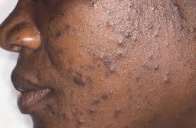
To treat pimples effectively, you first need to understand how they form.
1. Excess Oil Production
Your skin naturally produces an oil called sebum. This oil helps keep your skin soft and hydrated.
However, when your body produces too much oil, it can mix with dead skin cells and block your pores. This creates the perfect environment for pimples to form.
2. Clogged Pores
Your skin constantly sheds dead cells. Normally, these cells fall off naturally.
But when they mix with excess oil, they can get trapped inside pores. This blockage leads to:
- Blackheads
- Whiteheads
- Small bumps on the skin
3. Bacteria Growth
A type of bacteria(staphylococcus aureus) naturally lives on the skin. But when pores are clogged, this bacteria can multiply inside them.
This leads to inflammation, causing pimples to become:
✓Red
✓Swollen
✓Sometimes filled with pus
4. Hormonal Changes
Hormones play a big role in skin health. During puberty, menstruation, pregnancy, or stress, hormone levels can change.
These changes increase oil production, making breakouts more likely.
5. Diet and Lifestyle Factors
Some habits can make acne worse, such as:
✓Excess sugary or junk food
✓Stress
✓Lack of sleep
✓Poor skincare routine
6. External Triggers
Outside factors can also contribute to pimples:
- Heavy or oily makeup
- Dirty phone screens
- Unwashed pillowcases
- Friction from masks or helmets
How to Manage Pimples
Even though acne is common, it can be controlled with the right care.
1. Clean your face twice daily
Use a gentle cleanser morning and night to remove oil, dirt, and sweat. Avoid harsh scrubbing.
2. Avoid touching your face
Hands carry bacteria that can worsen breakouts.
3. Use non-comedogenic products
Choose skincare and makeup products that don’t clog pores.
4. Keep your pillowcases and phone clean
Wash pillowcases regularly and wipe your phone screen often.
5. Stay hydrated and eat balanced meals
Drink enough water and reduce excess sugary or oily foods.
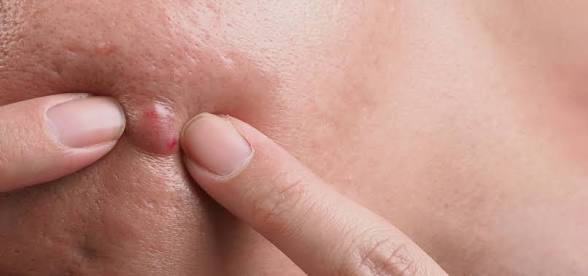
6. Don’t pick or squeeze pimples
This can cause scars and spread infection.
7. Use acne-friendly treatments if needed
Products containing ingredients like salicylic acid or benzoyl peroxide can help. For severe acne, it’s best to see a healthcare professional.
Conclusion
Pimples are mainly caused when oil, dead skin cells, and bacteria block pores and cause inflammation.
The good news is that acne can be managed with consistent skincare, healthy habits, and proper treatment when necessary.
Understanding the cause is the first step toward clearer, healthier skin.
© 2026 Ukachi Rejoice| TalkAfricang.com



Comments (0)
Leave a Comment