
Mastectomy is the surgical removal of one or both breasts to treat or prevent breast cancer. It is a common procedure for managing breast cancer but can also be performed on individuals at high risk due to genetic factors, such as BRCA1 or BRCA2 mutations.
While life-saving, the idea of losing a breast often raises fears and misconceptions. This post provides accurate information, awareness, and guidance for those affected.
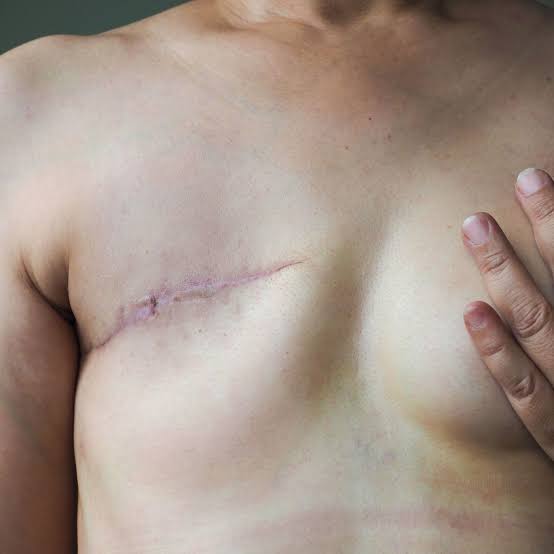
Key Types of Mastectomy
Mastectomy techniques vary depending on the patient’s condition, goals, and surgical plan:
- Unilateral Mastectomy: Removal of one breast, usually because cancer or risk is limited to that side.
- Total/Simple Mastectomy: Removes the entire breast tissue, including the nipple and areola.
- Skin-Sparing Mastectomy: Removes breast tissue and nipple/areola but preserves most of the skin for reconstruction.
- Nipple-Sparing Mastectomy: Removes breast tissue while preserving the nipple, areola, and skin.
- Modified Radical Mastectomy: Removes the entire breast and nearby lymph nodes but leaves the chest wall muscles intact.
- Double/Bilateral Mastectomy: Removal of both breasts, often done as a preventive measure for high-risk patients.
Why Do Surgeons Recommend Mastectomy?
A mastectomy may be advised if:
- Cancer is widespread or large in size.
- Previous breast-conserving surgery (lumpectomy) failed.
- Multiple tumors exist in different areas of the breast.
- Patients have genetic mutations or strong family history that significantly increase cancer risk.
- Radiation therapy is not suitable or effective.
Recovery and Risks
Mastectomy is usually performed under general anesthesia and lasts 1–2 hours. Most patients go home within 1–2 days, though full recovery may take several weeks.
Potential risks and complications include:
- Infection and bleeding
- Swelling or lymphedema (fluid buildup in the arm)
- Pain or numbness in the chest or arm
- Emotional stress or body image concerns
Aftercare includes:
- Drainage tubes to prevent fluid buildup
- Gentle arm exercises to maintain mobility and prevent stiffness
- Emotional support and counseling
Prosthetics and Mastectomy Bras
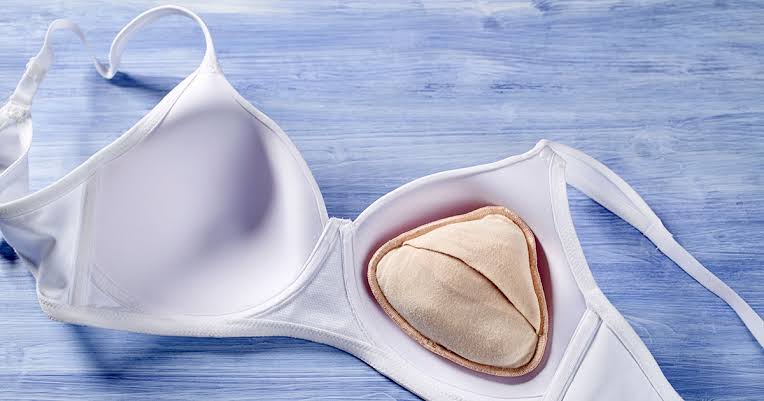
For patients who do not undergo breast reconstruction, prosthetic breasts (artificial breasts) can be used to restore appearance and balance. These prostheses can be worn inside specially designed mastectomy bras, which provide comfort, support, and symmetry.
Mastectomy bras come with pockets to hold the prosthetic in place, helping patients feel more confident and comfortable in clothing after surgery.
Common Myths About Mastectomy
1. “You will lose all femininity after mastectomy.”
False. Femininity is not defined by breasts. Reconstruction, prosthetics, or mastectomy bras can help restore appearance.
2. “Mastectomy spreads cancer faster.”
False. Removing the breast does not cause cancer to spread.
3. “You cannot live a normal life after mastectomy.”
False. Most patients resume work, exercise, and daily activities after recovery.
4. “You will never feel anything in the chest again.”
Partially false. Some numbness may occur, but sensation can improve over time.
5. “Your breast will grow back naturally.”
False. Natural breast tissue does not regrow after mastectomy.
Who Is Affected and How Do They Cope?
People undergoing mastectomy face physical, emotional, and psychological challenges. Coping strategies often include:
- Breast reconstruction or prosthetics to restore body image
- Wearing mastectomy bras for comfort and symmetry
- Joining support groups or counseling to manage anxiety, depression, or body image concerns
- Relying on family and friends for emotional support
- Maintaining exercise and self-care routines to improve mobility, reduce swelling, and boost confidence
Frequently Asked Questions (FAQ)
1. Will my breast grow back after mastectomy?
No, natural breast tissue does not regrow. Reconstruction or prosthetics are options.
2. Can I have children after mastectomy?
Yes, unless additional treatments like chemotherapy affect fertility.
3. Is mastectomy painful?
Some discomfort is normal but can be managed with medications.
4. Do I still need chemotherapy or radiation?
Sometimes yes, depending on cancer type and stage. Oncologists provide personalized guidance.
5. Can I exercise after surgery?
Gentle exercises are encouraged to maintain arm mobility; more intense activity is allowed after full recovery.
Final Thoughts
Mastectomy is more than a surgical procedure; it’s a life-changing experience. Awareness, accurate information, and emotional support are crucial for patients and families. Understanding the procedure, its risks, myths, and coping strategies such as prosthetics and mastectomy bras can empower those affected to face treatment with confidence and hope.
Remember, breast cancer awareness saves lives, and early intervention can make all the difference.
© 2026 Ukachi Rejoice| TalkAfricang.com


Comments (0)
Leave a Comment