Senate Proposes Six-Month Jail Term, ₦300,000 Fine for Hospitals Rejecting Emergency Patients

Senate Proposes Six-Month Jail Term, ₦300,000 Fine for Hospitals Rejecting Emergency Patients

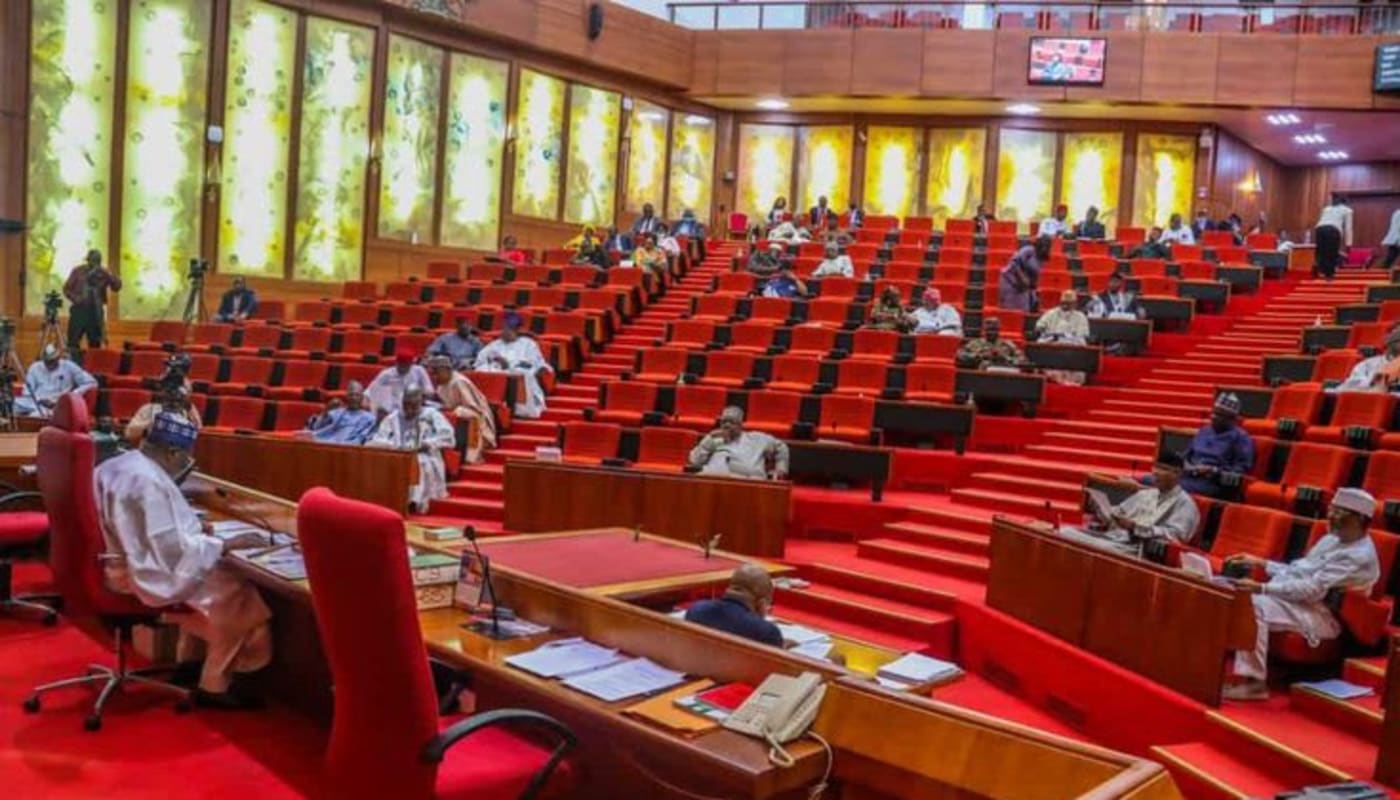
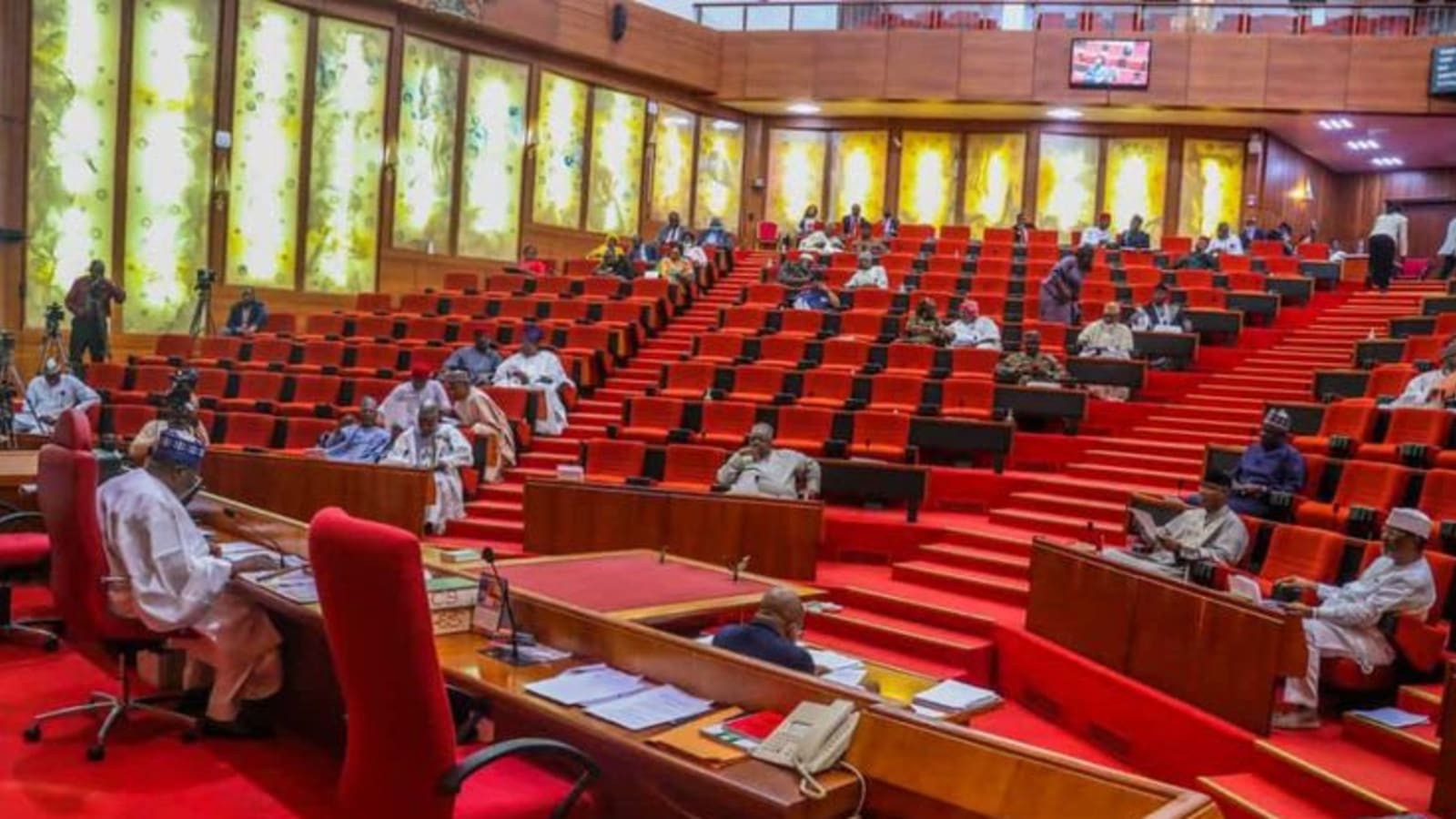
The Nigerian Senate has advanced a bill seeking to punish hospitals and healthcare providers that violate emergency treatment standards, with proposed penalties of up to six months’ imprisonment, a ₦300,000 fine, or both.

The bill was debated during plenary on Wednesday, 4 November 2026, and sponsored by Senator Abdulaziz Musa Yar’Adua. It seeks to amend the National Health Act, 2014, by introducing clearer requirements for emergency medical care and patient referrals across the country.

Presenting the proposal, Yar’Adua argued that patients should not be denied urgent medical attention because of their financial situation, social standing or location. He said the absence of clearly defined and enforceable emergency care procedures had contributed to delays that could result in preventable deaths.

Under the proposed amendment, public and private hospitals licensed to provide emergency services would be required to assess patients within 15 minutes of their arrival. Where a medical doctor is unavailable, a trained and certified nurse would be permitted to conduct the initial assessment.

Healthcare facilities would also be expected to begin basic stabilisation within 30 minutes. This includes administering oxygen, providing intravenous fluids and pain relief, and conducting preliminary diagnostic procedures. Where a patient's condition is life-threatening, immediate interventions such as cardiopulmonary resuscitation, airway management and bleeding control would be required.

The bill further outlines procedures for patients who need admission or transfer to another facility. Hospitals would be expected to provide beds within two hours, subject to availability. Where no bed is available, the facility would be required to stabilise the patient and arrange a referral. Ambulance services or alternative transportation would also have to be arranged promptly.

Beyond the treatment requirements, the proposal seeks to strengthen the skills of healthcare workers involved in emergency services. It directs the Medical and Dental Council of Nigeria and the Nursing and Midwifery Council of Nigeria to develop a standardised national emergency care curriculum. Relevant healthcare workers would also be required to undergo training and certification at intervals not exceeding 18 months.

The proposed penalties would apply to individuals or healthcare facilities found guilty of violating the emergency treatment provisions. Upon conviction, offenders could face a fine not exceeding ₦300,000, imprisonment for up to six months, or both.

While some lawmakers supported the proposed measures as a way of reducing avoidable deaths, concerns were also raised about the conditions under which healthcare professionals operate. Senator Francis Faduyile cautioned against holding medical workers criminally responsible for delays without addressing challenges such as inadequate facilities, shortages of personnel and insufficient medical equipment.

The bill subsequently passed its second reading and was referred to the Senate Committee on Health for further legislative consideration, with a four-week deadline to report back.

If eventually passed and signed into law, the amendment would strengthen the legal obligations of hospitals in responding to medical emergencies. For now, however, the proposed penalties are not yet in force.

© 2026 Aliu Azeema |

TalkAfricang.com

Filed under: politicsnews

Share this article

Keep Reading

More stories you might find interesting

Donald Duke Offers to Step Down for Consensus Candidate, Calls for Opposition Unity
politics

Donald Duke Offers to Step Down for Consensus Candidate, Calls for Opposition Unity

Former Cross River State Governor and Peoples Redemption Party (PRP) presidential candidate, Donald Duke, has called on opposition parties to put aside their differences and work towards a common political vision ahead of the 2027 general elections. Duke made the call on Tuesday, November 10, 2026, in Abuja, during the unveiling of the PRP's manifesto titled A Compact for Nigeria's Renewal. He warned that opposition parties risk repeating the political mistakes of the 2023 elections if they allow individual ambitions to undermine efforts towards unity.

Abdulsalami’s Peace Committee Raises Alarm Over 109 Electoral Accord Breaches Ahead of 2027
politics

Abdulsalami’s Peace Committee Raises Alarm Over 109 Electoral Accord Breaches Ahead of 2027

Nigeria’s preparations for the 2027 general elections have come under fresh scrutiny following a report by the National Peace Committee, led by former Head of State, General Abdulsalami Abubakar (retd.), documenting 109 violations of the National Peace Accord across 26 states and the Federal Capital Territory (FCT). The violations were recorded over a 10-week period between August 19 and October 27, 2026, highlighting concerns about political violence, intimidation and misinformation ahead of the elections.

Africa Needs More Leaders, Not Politicians
african-history

Africa Needs More Leaders, Not Politicians

Africa once had leaders who drew a blueprint for their people, from Nkrumah and Awolowo to Nyerere, Sankara, and Mandela. Today, too many seats are treated as rewards for party loyalty instead of responsibilities to the people. This article argues that Africa needs leaders who plan for the born and the unborn, and that Nigerians can help put them in office.

Comments (0)

Leave a Comment

0/1000
Loading comments...

Senate Proposes Six-Month Jail Term, ₦300,000 Fine for Hospitals Rejecting Emergency Patients

Senate Proposes Six-Month Jail Term, ₦300,000 Fine for Hospitals Rejecting Emergency Patients

The Nigerian Senate has advanced a bill seeking to punish hospitals and healthcare providers that violate emergency treatment standards, with proposed penalties of up to six months’ imprisonment, a ₦300,000 fine, or both.

The bill was debated during plenary on Wednesday, 4 November 2026, and sponsored by Senator Abdulaziz Musa Yar’Adua. It seeks to amend the National Health Act, 2014, by introducing clearer requirements for emergency medical care and patient referrals across the country.

Presenting the proposal, Yar’Adua argued that patients should not be denied urgent medical attention because of their financial situation, social standing or location. He said the absence of clearly defined and enforceable emergency care procedures had contributed to delays that could result in preventable deaths.

Under the proposed amendment, public and private hospitals licensed to provide emergency services would be required to assess patients within 15 minutes of their arrival. Where a medical doctor is unavailable, a trained and certified nurse would be permitted to conduct the initial assessment.

Healthcare facilities would also be expected to begin basic stabilisation within 30 minutes. This includes administering oxygen, providing intravenous fluids and pain relief, and conducting preliminary diagnostic procedures. Where a patient's condition is life-threatening, immediate interventions such as cardiopulmonary resuscitation, airway management and bleeding control would be required.

The bill further outlines procedures for patients who need admission or transfer to another facility. Hospitals would be expected to provide beds within two hours, subject to availability. Where no bed is available, the facility would be required to stabilise the patient and arrange a referral. Ambulance services or alternative transportation would also have to be arranged promptly.

Beyond the treatment requirements, the proposal seeks to strengthen the skills of healthcare workers involved in emergency services. It directs the Medical and Dental Council of Nigeria and the Nursing and Midwifery Council of Nigeria to develop a standardised national emergency care curriculum. Relevant healthcare workers would also be required to undergo training and certification at intervals not exceeding 18 months.

The proposed penalties would apply to individuals or healthcare facilities found guilty of violating the emergency treatment provisions. Upon conviction, offenders could face a fine not exceeding ₦300,000, imprisonment for up to six months, or both.

While some lawmakers supported the proposed measures as a way of reducing avoidable deaths, concerns were also raised about the conditions under which healthcare professionals operate. Senator Francis Faduyile cautioned against holding medical workers criminally responsible for delays without addressing challenges such as inadequate facilities, shortages of personnel and insufficient medical equipment.

The bill subsequently passed its second reading and was referred to the Senate Committee on Health for further legislative consideration, with a four-week deadline to report back.

If eventually passed and signed into law, the amendment would strengthen the legal obligations of hospitals in responding to medical emergencies. For now, however, the proposed penalties are not yet in force.

© 2026 Aliu Azeema |

TalkAfricang.com

Filed under: politicsnews

Share this article

Comments (0)

Leave a Comment

0/1000
Loading comments...