The Architecture of Modern Loneliness

The Architecture of Modern Loneliness

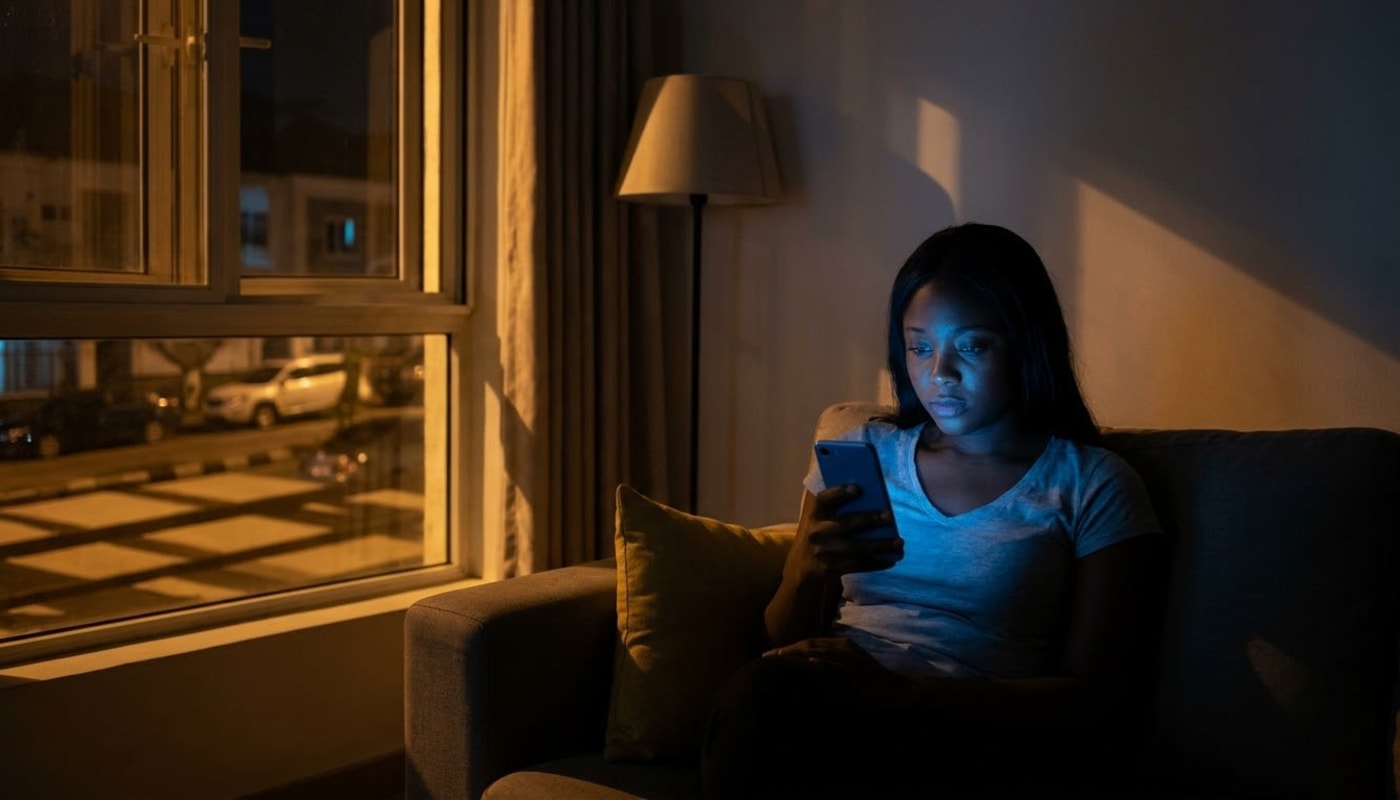
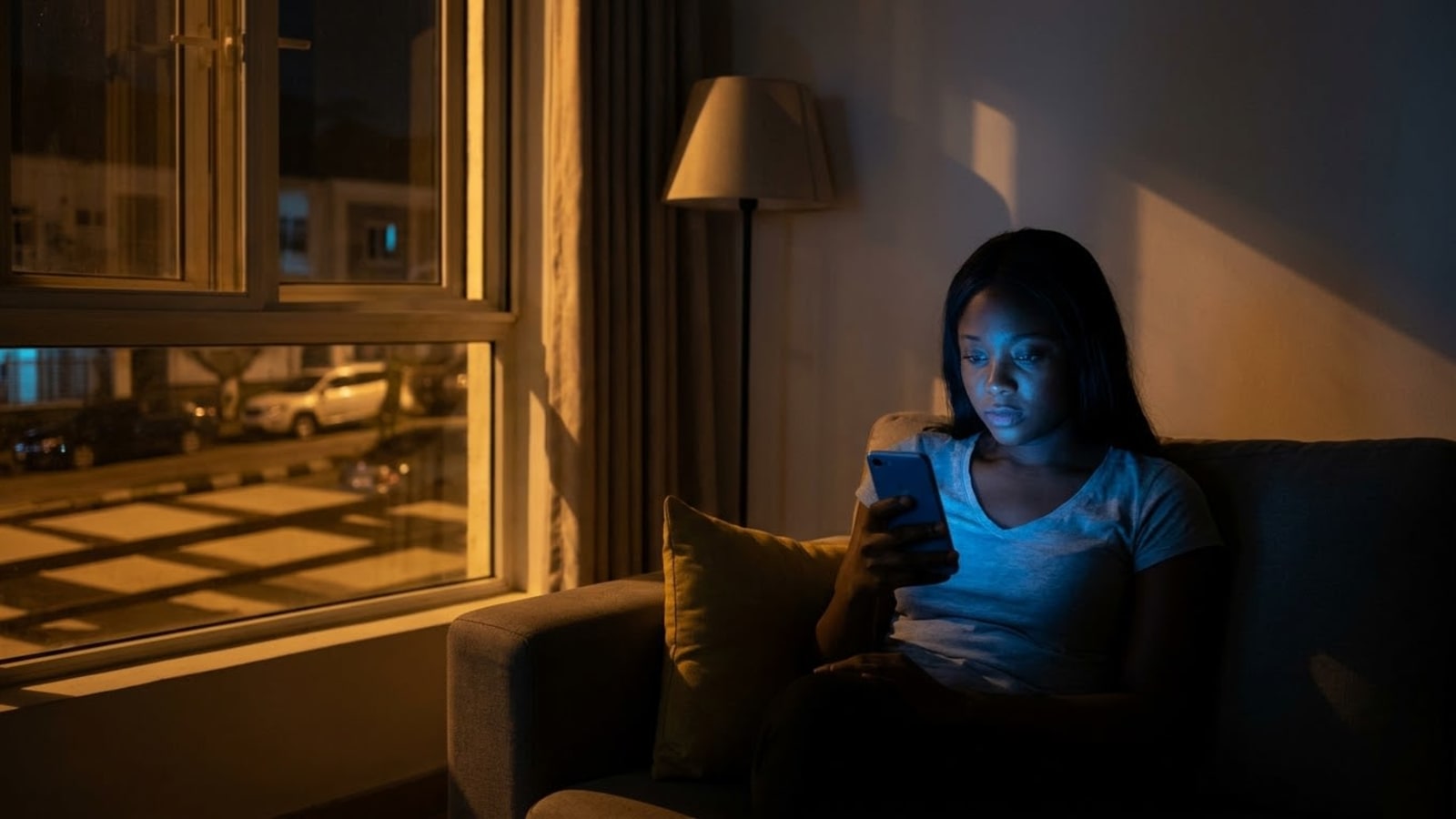
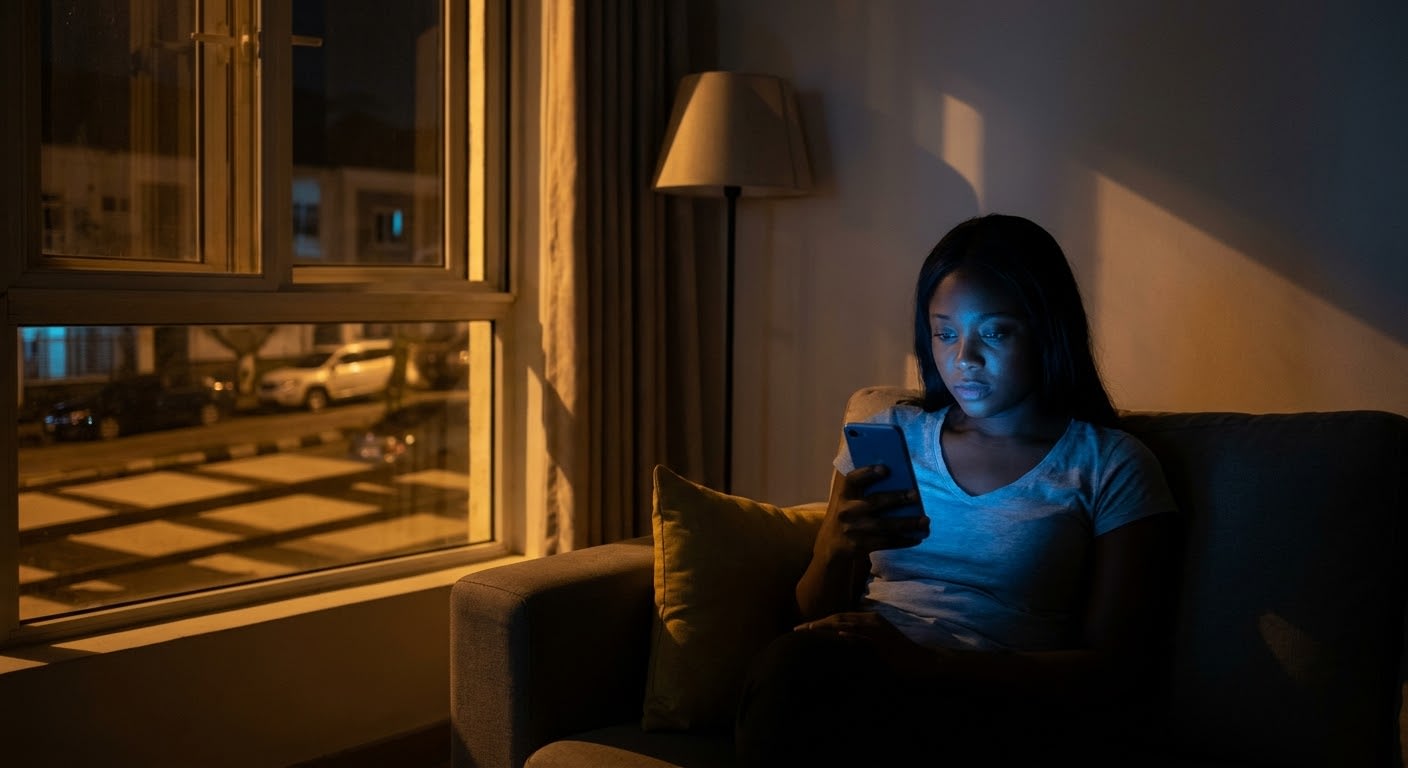
It's 11:42 p.m. somewhere in the world, and the brightest object in some lady's apartment is not a light bulb. It is rather the glowing screen of a six-inch glass rectangle resting in her palm.
1001123958

On that glowing screen, she feels connected with everyone. Within three swipes, she interacts with people across four continents. She is, by every technological metric, entirely surrounded. Then, she sets the phone down, and the heavy silence rushes in.

We live in an extraordinary paradox. We have successfully engineered a society where every form of communication is frictionless and instant; yet health experts increasingly treat loneliness as a chronic crisis. When social media and remote work promised a global village, we traded deep, accidental friction for digital convenience. We gained efficiency, but we lost proximity.

Collapse of the Veranda and the Compound

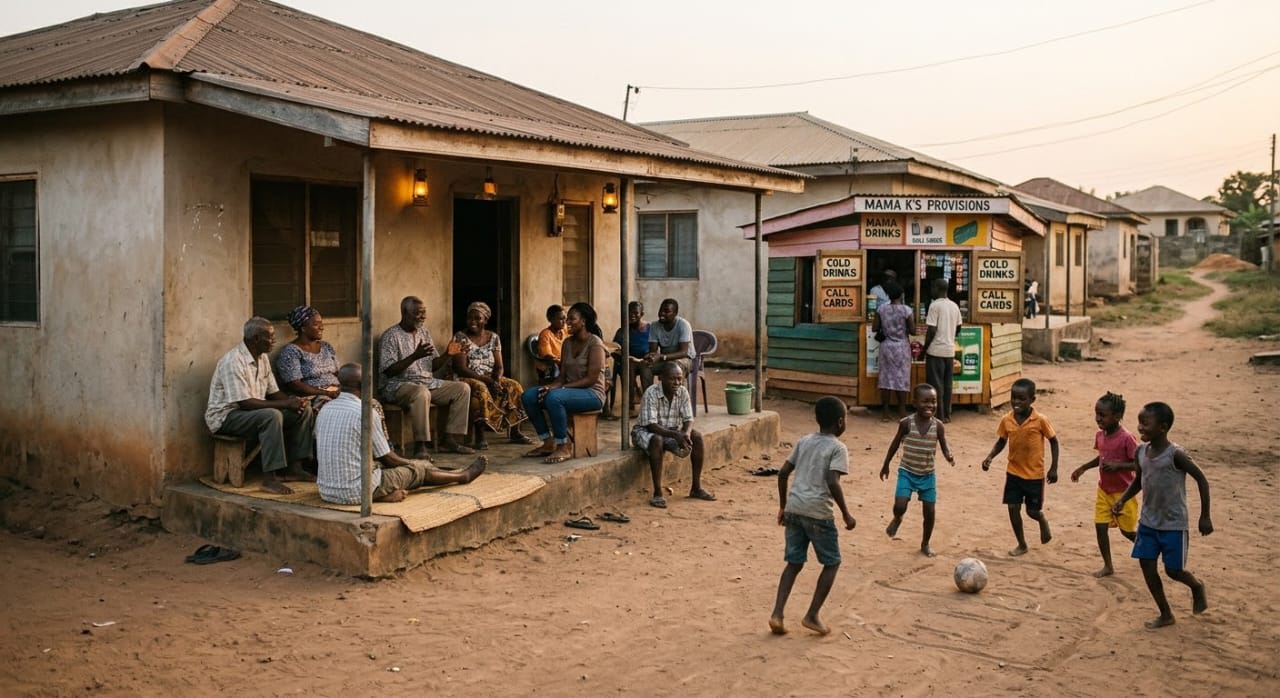
In traditional community life, connection wasn't something you had to schedule. It was built into the architecture of daily existence. Maybe, you could recall the front veranda, the neighborhood corner provision store, or evening sittings outside where neighbors caught the breeze and children played freely in the dust. These were the original "Third Places." They offered open-door environments where you didn't need an invitation to belong.
1001123955

Today, rapid urbanization across African cities has quietly bulldozed this culture. In its place, we have built high-density flats and sprawling, high-walled gated estates. We traded open compounds for electric fences, razor wire, and remote-controlled security gates. Now, a resident can drive straight from a highway into a locked garage, press a button to shut the gate, and never exchange a single word with the people living just feet away.

The Comfort Trap

In truth, the urban transformation brought incredible convenience, but it also introduced a quiet paradox. Today, a booming gig economy, including ride-hailing apps, doorstep grocery deliveries, and food delivery services, means you can survive a week in a high-rise flat without ever stepping foot outside or interacting with a living soul.

We optimized the friction out of daily survival, but in doing so, we accidentally optimized away our social safety nets. Spontaneous human connection thrives on small, everyday frictions. It may be buying tomatoes from the same market woman who asks after your family, or chatting with neighbors while waiting out a sudden tropical downpour under a shop awning. When we replace those organic moments with apps and fortress gates, we lose our social tolerance for the unscripted.

Reclaiming Physical Presence

Fortunately, a quiet counter-movement is taking root. Tired of digital substitutes, people are actively seeking real-world friction again, from growing urban running clubs to neighborhood creative collectives.

Healing the loneliness epidemic won't require discarding our devices, but it does require reclaiming our physical world. It means choosing the slightly inconvenient walk to the local grocery store over the delivery app. It means tolerating the minor awkwardness of greeting a neighbor. Real connection may not be neat, but it is real. And ultimately, it begins the moment we put the phone down, turn the door handle, and step outside into the neighborhood.

©2026 Sylvia Onyekachukwu Ohiaeri/Talkafricang.com

Share this article

Keep Reading

More stories you might find interesting

Japa and the Houses Left Behind
animated-folktales

Japa and the Houses Left Behind

In Yoruba, "japa" means to run away, to escape in a hurry. Nigerians have turned the word into a name for something bigger: the decision to leave the country for school, for work, or for a life that seems to promise more. Nurses go, engineers go, students go, and sometimes a whole family goes together. Most of the talk about japa is about visas, exchange rates and salaries. Far less is said about the house the person walked out of, and the people still sitting inside it.

YOUNG AND BOLD: Esther Oluwabunmi Olalude
culture

YOUNG AND BOLD: Esther Oluwabunmi Olalude

Esther Oluwabunmi Olalude is redefining innovation through her commitment to menstrual health, environmental sustainability and social impact. As the founder of Venille Ltd, she transforms agricultural waste into biodegradable sanitary products, tackling period poverty while empowering communities. Her journey reflects the power of youthful ambition, consistency, perseverance and purposeful entrepreneurship.

The Talking Drum: When Music Became a Language
arts

The Talking Drum: When Music Became a Language

Unlike ordinary drums that produce relatively fixed pitches, the Yoruba talking drum has a distinctive hourglass shape, with cords running along its sides. By squeezing these cords while striking the drum, the player can alter its pitch, producing sounds that rise and fall in ways that imitate the tones of spoken language. This is particularly important in Yoruba, a tonal language in which the pitch used when pronouncing a word can change its meaning. Skilled drummers use this understanding to reproduce familiar expressions, praise poetry, proverbs and other forms of communication.

Comments (0)

Leave a Comment

0/1000
Loading comments...

The Architecture of Modern Loneliness

The Architecture of Modern Loneliness

It's 11:42 p.m. somewhere in the world, and the brightest object in some lady's apartment is not a light bulb. It is rather the glowing screen of a six-inch glass rectangle resting in her palm.

1001123958

On that glowing screen, she feels connected with everyone. Within three swipes, she interacts with people across four continents. She is, by every technological metric, entirely surrounded. Then, she sets the phone down, and the heavy silence rushes in.

We live in an extraordinary paradox. We have successfully engineered a society where every form of communication is frictionless and instant; yet health experts increasingly treat loneliness as a chronic crisis. When social media and remote work promised a global village, we traded deep, accidental friction for digital convenience. We gained efficiency, but we lost proximity.

Collapse of the Veranda and the Compound

In traditional community life, connection wasn't something you had to schedule. It was built into the architecture of daily existence. Maybe, you could recall the front veranda, the neighborhood corner provision store, or evening sittings outside where neighbors caught the breeze and children played freely in the dust. These were the original "Third Places." They offered open-door environments where you didn't need an invitation to belong.

1001123955

Today, rapid urbanization across African cities has quietly bulldozed this culture. In its place, we have built high-density flats and sprawling, high-walled gated estates. We traded open compounds for electric fences, razor wire, and remote-controlled security gates. Now, a resident can drive straight from a highway into a locked garage, press a button to shut the gate, and never exchange a single word with the people living just feet away.

The Comfort Trap

In truth, the urban transformation brought incredible convenience, but it also introduced a quiet paradox. Today, a booming gig economy, including ride-hailing apps, doorstep grocery deliveries, and food delivery services, means you can survive a week in a high-rise flat without ever stepping foot outside or interacting with a living soul.

We optimized the friction out of daily survival, but in doing so, we accidentally optimized away our social safety nets. Spontaneous human connection thrives on small, everyday frictions. It may be buying tomatoes from the same market woman who asks after your family, or chatting with neighbors while waiting out a sudden tropical downpour under a shop awning. When we replace those organic moments with apps and fortress gates, we lose our social tolerance for the unscripted.

Reclaiming Physical Presence

Fortunately, a quiet counter-movement is taking root. Tired of digital substitutes, people are actively seeking real-world friction again, from growing urban running clubs to neighborhood creative collectives.

Healing the loneliness epidemic won't require discarding our devices, but it does require reclaiming our physical world. It means choosing the slightly inconvenient walk to the local grocery store over the delivery app. It means tolerating the minor awkwardness of greeting a neighbor. Real connection may not be neat, but it is real. And ultimately, it begins the moment we put the phone down, turn the door handle, and step outside into the neighborhood.

©2026 Sylvia Onyekachukwu Ohiaeri/Talkafricang.com

Share this article

Comments (0)

Leave a Comment

0/1000
Loading comments...