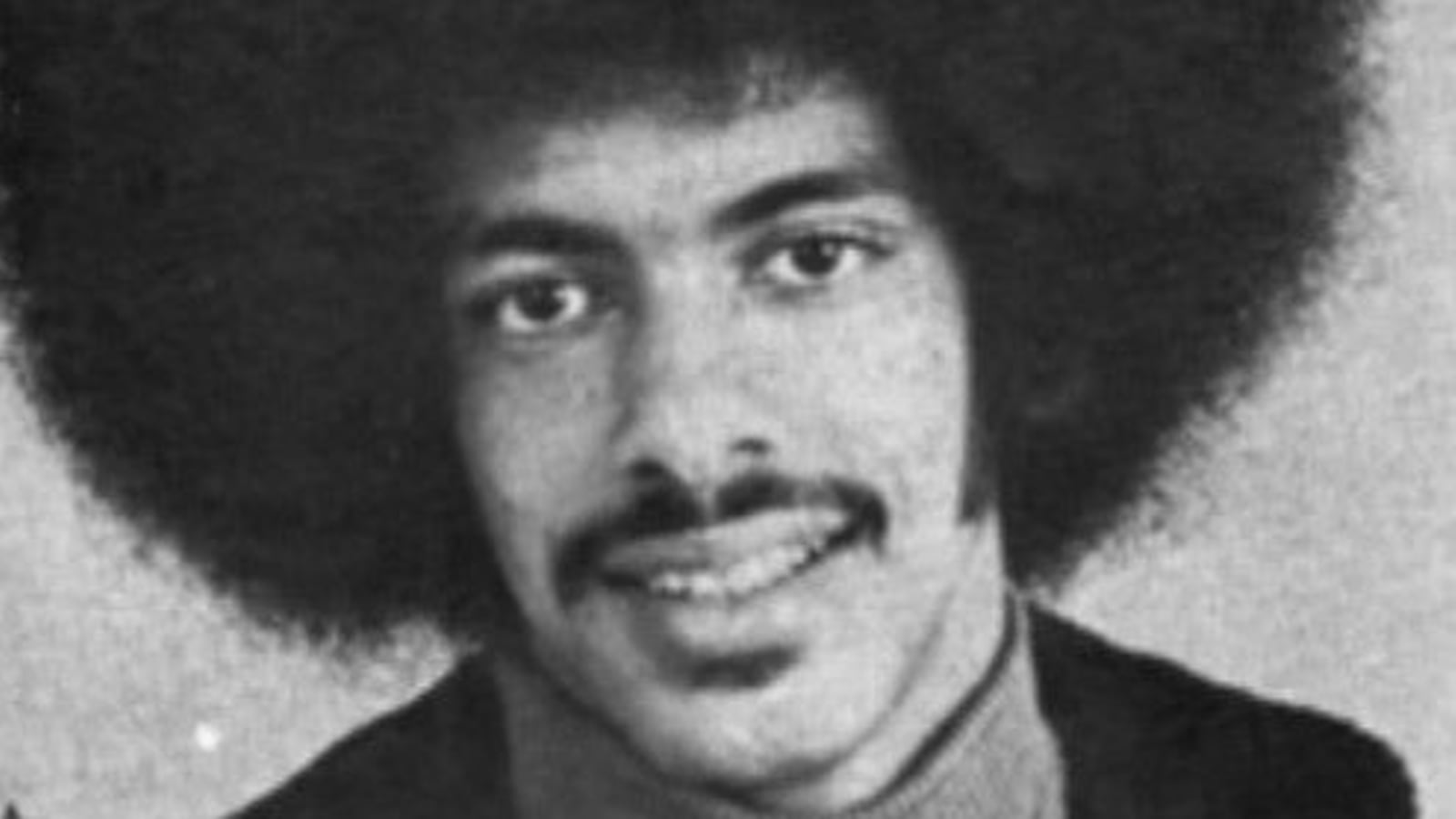
Before the Afro became one of the most recognizable hairstyles associated with Black identity around the world, natural African hair had already carried generations of stories and history.
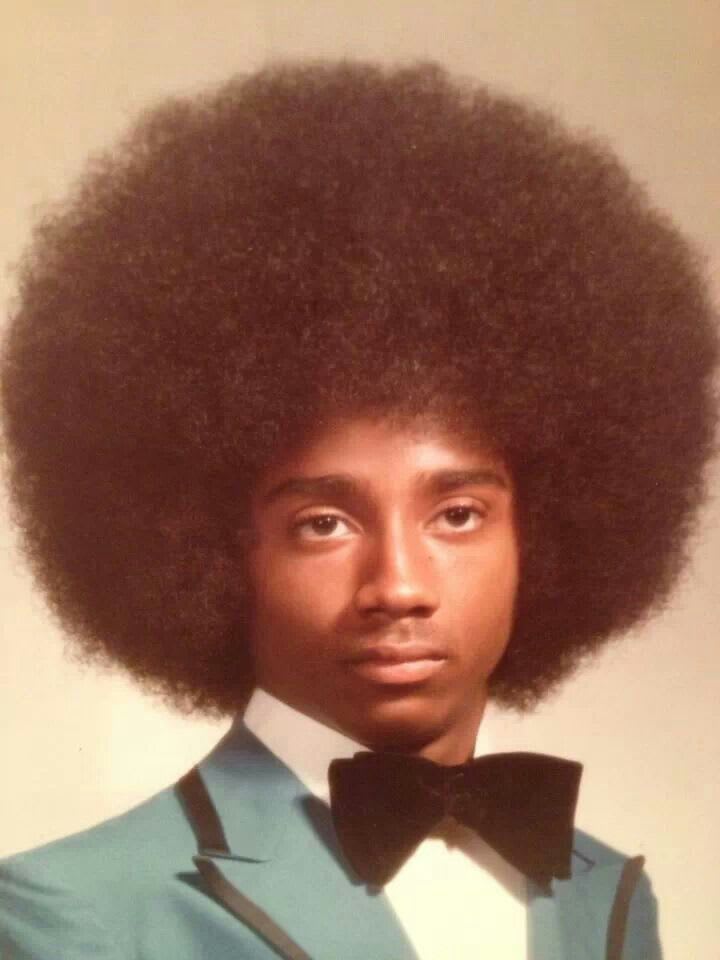
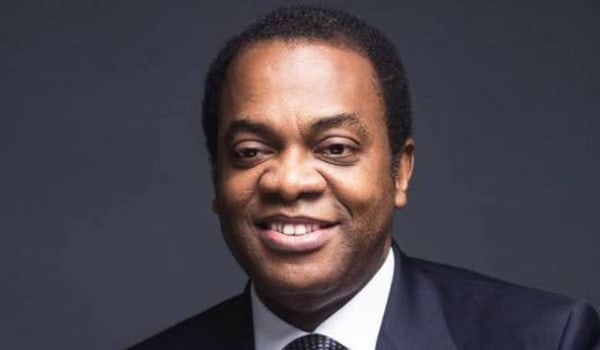
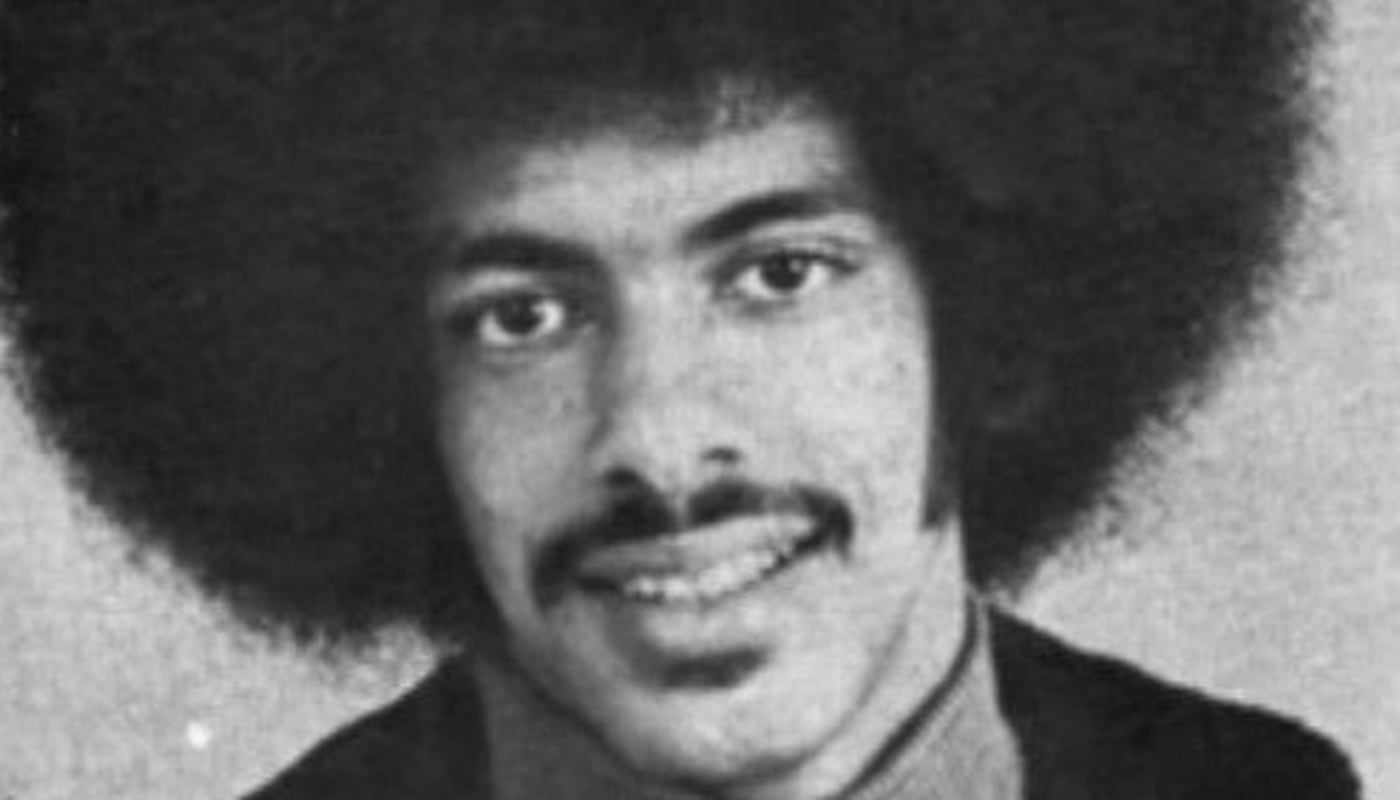
Across African communities, hairstyles have historically expressed beauty, identity, social position and cultural belonging. Today, the Afro remains a distinctive hairstyle for many African men, it is a hairstyle created by allowing naturally textured hair to grow and shaping it into a rounded, full appearance.
Although the modern Afro became internationally prominent during the twentieth century, African hair grooming has a much longer history. Different communities developed their own hairstyles, grooming practices and tools, including beautifully crafted traditional combs.
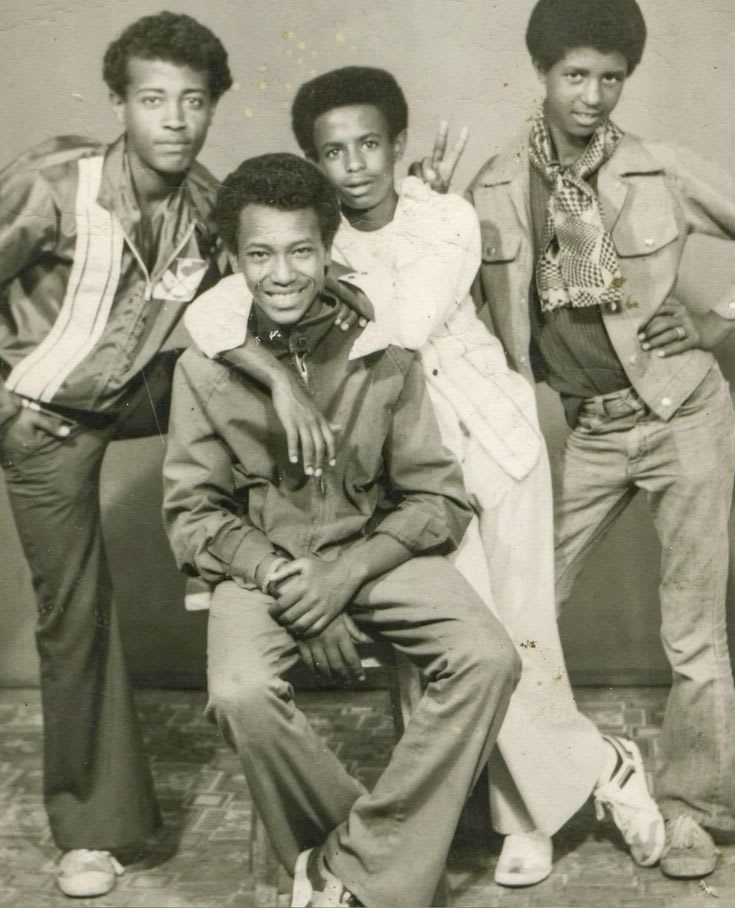
The modern Afro became especially prominent among African Americans during the 1960s and 1970s, a period marked by civil rights activism and the Black Power movement. For generations, European beauty standards had influenced how Black people were expected to present themselves. Natural hairstyles sometimes faced discrimination, particularly in professional and public environments.
The Afro became a powerful symbol of Black cultural pride. The slogan "Black is Beautiful" encouraged people to appreciate their natural features, skin tones and hair textures. Activists, musicians and artists helped popularize the hairstyle, while members of the Black Panther Party made it particularly recognizable as a symbol of resistance and self-determination.
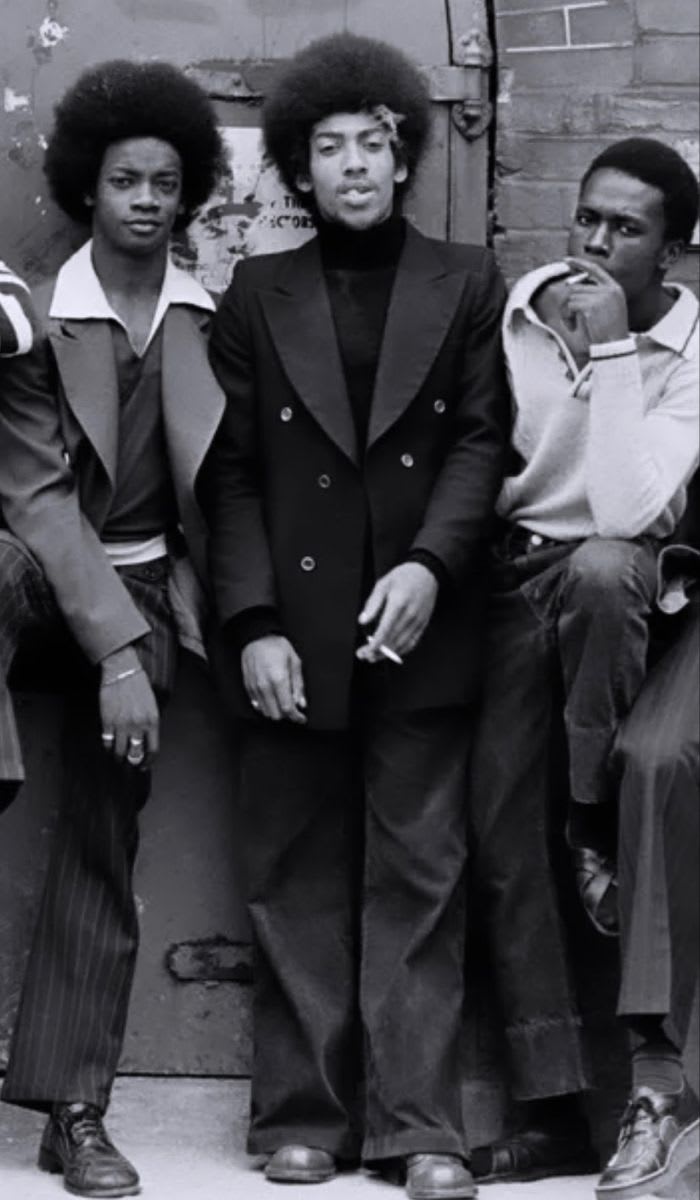
For many African men, hair is more than a matter of appearance. It can express individuality, confidence and connection to heritage. The Afro celebrates the natural volume and structure of tightly curled hair without requiring it to be straightened.
During the Black Power era, it became associated with challenging discrimination and rejecting restrictive beauty standards. However, its meaning differs from person to person. Some men wear it as an expression of cultural pride, while others simply prefer its appearance. Understanding this distinction allows us to appreciate the Afro without assuming that everyone who wears it shares the same cultural or political experience.
The Afro has evolved alongside contemporary barbering and grooming practices. Some men prefer a large, rounded Afro that emphasizes natural volu me, while others maintain a shorter version for easier grooming. Maintaining an Afro generally involves regular trimming, gentle cleansing, moisturizing and careful detangling. An Afro pick or wide-toothed comb can help lift and shape the hair, depending on its texture and the desired style.
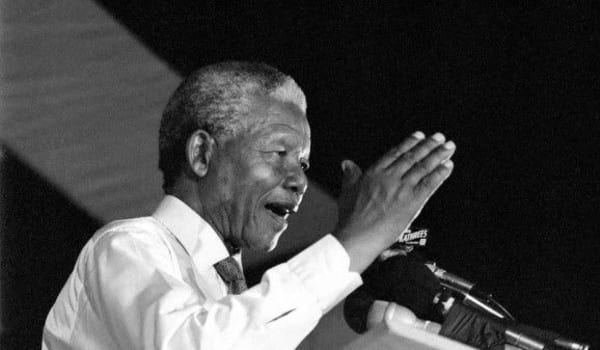
Today, African men wear Afros in everyday life, professional environments, cultural gatherings and the fashion industry. The hairstyle continues to evolve while allowing men to embrace their natural hair.
One of the most recognizable tools associated with the Afro is the Afro pick.
Its wide teeth help lift, separate and shape textured hair, making it useful for maintaining volume. Traditional African combs, however, have a history extending beyond modern Afro grooming. They have been crafted from different materials and sometimes decorated with intricate designs reflecting African artistry.
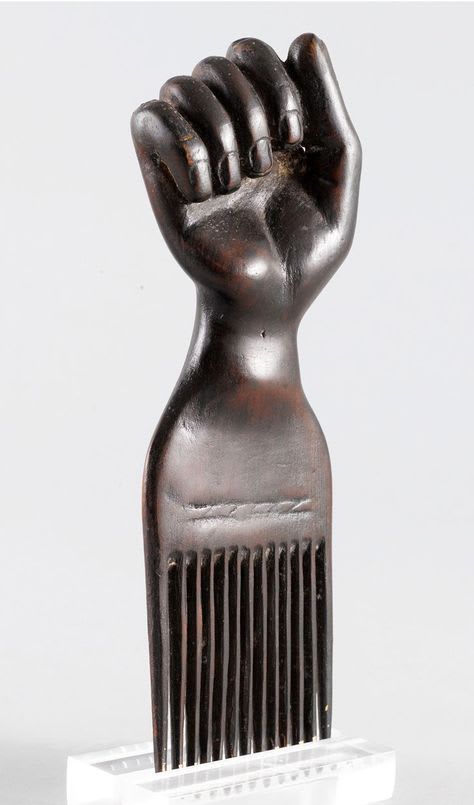
During the twentieth century, some Afro picks featured handles shaped like a raised fist, connecting everyday grooming with the symbolism of Black cultural pride and resistance. The comb became both a practical grooming tool and a recognizable cultural symbol. It reminds us that ordinary objects can preserve stories of creativity, identity and social change.
The Afro's journey reflects the changing relationship between African hair, beauty and identity. Its modern political prominence was shaped significantly by African American history, particularly the civil rights and Black Power movements. Its continued popularity also reflects a growing appreciation of natural hair and the diversity of African appearance.
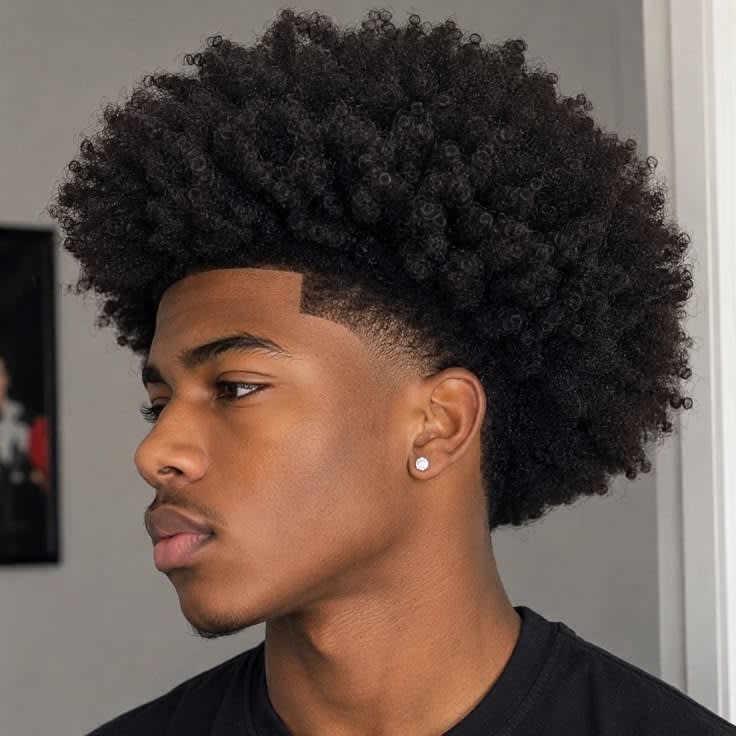
For African men today, wearing an Afro can be a personal choice, a cultural expression or simply a preferred hairstyle. As younger generations explore natural hair and experiment with modern cuts, the Afro continues to find new expressions.
More than a hairstyle, it reminds us that identity can be expressed through everyday choices. Every curl, every carefully shaped edge and every decision to embrace natural texture contributes to a story that continues across generations.
The Afro is not merely about how hair looks. It is also about embracing natural beauty, expressing individuality and celebrating the cultural stories that travel with us.









Comments (0)
Leave a Comment