Can Teachers be Replaced by Artificial Intelligence?

Can Teachers be Replaced by Artificial Intelligence?

Imagine a classroom where there is no teacher standing at the front, no exercise books waiting to be marked, and no human instructor explaining a difficult concept for the third time. Instead, each learner sits before an artificial intelligence system capable of answering questions instantly, adapting lessons to individual abilities, generating exercises, and providing immediate feedback.

A while ago, the idea sounded like science fiction. Today, rapid advances in artificial intelligence are making it a serious question for the future of education.

Can teachers be replaced by artificial intelligence?

The question, however, is deeper than whether a machine can explain a lesson or mark an assignment. It requires us to consider what teaching truly is and what learners actually need from education.

What Artificial Intelligence is Already Doing

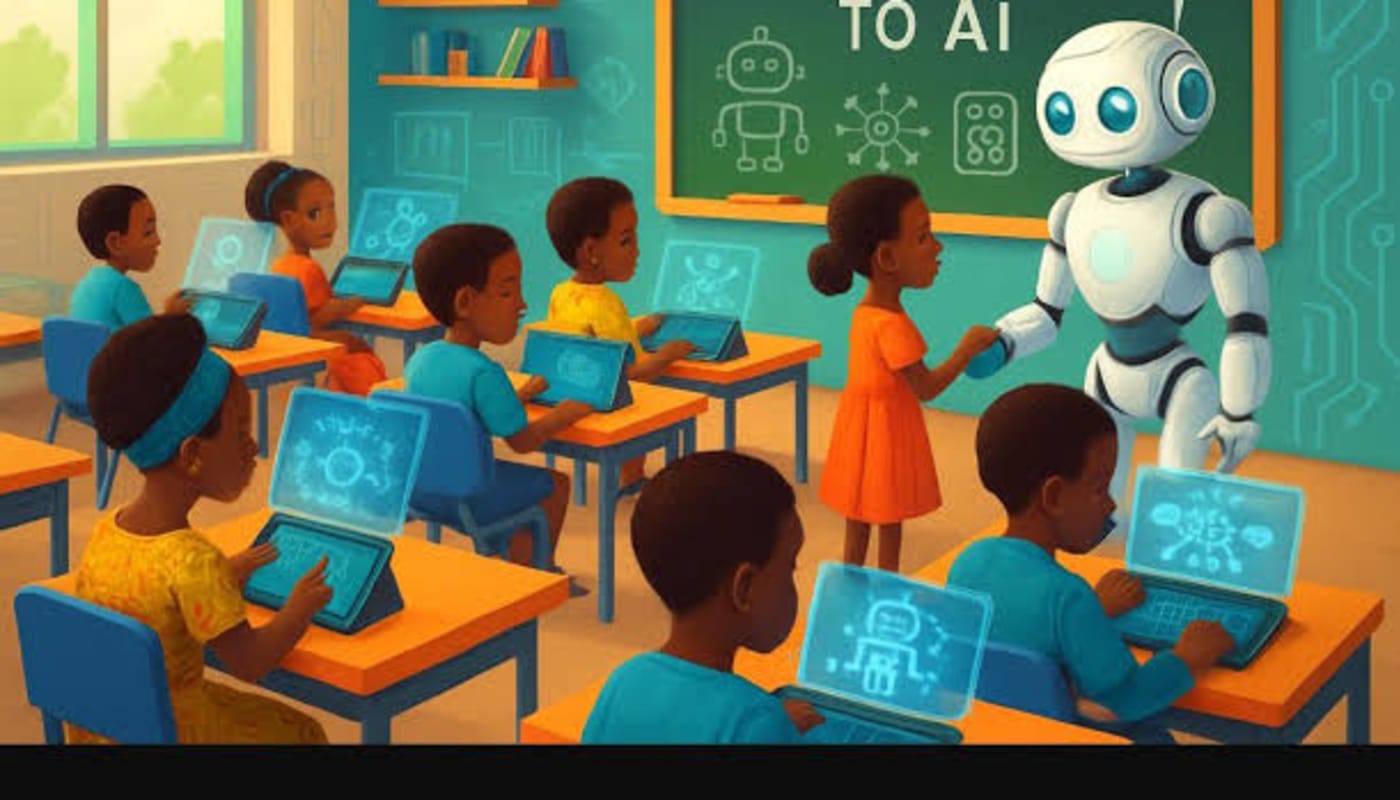
Artificial intelligence is successfully transforming the way teaching and learning take place. It can assist with lesson planning, assessment, personalized learning, feedback, and the delivery of information. It can provide learners with explanations at any time and generate activities suited to different levels of ability.
IMG_202611324_124227672

In many ways, AI can perform some of the more repetitive tasks of teaching quickly and efficiently. It can provide information, generate questions, identify patterns in a learner's performance, and offer opportunities for additional practice.

These abilities are impressive. But they also lead us to an important question:

Is providing information the same thing as teaching?

The Weak Points of Artificial Intelligence

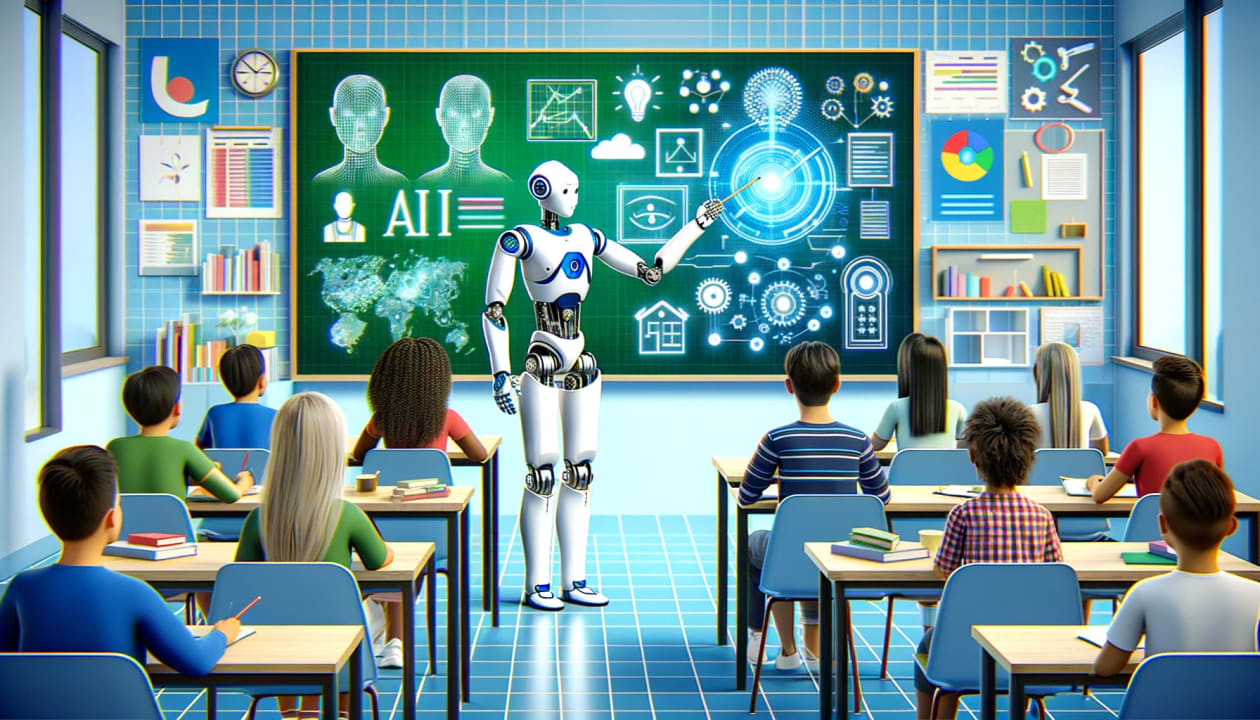
However, UNESCO's guidance emphasizes that human interaction and collaboration between teachers and learners should remain at the heart of education. Teaching involves relationships, judgment, encouragement, discipline, mentorship, moral formation, and understanding the individual learner.

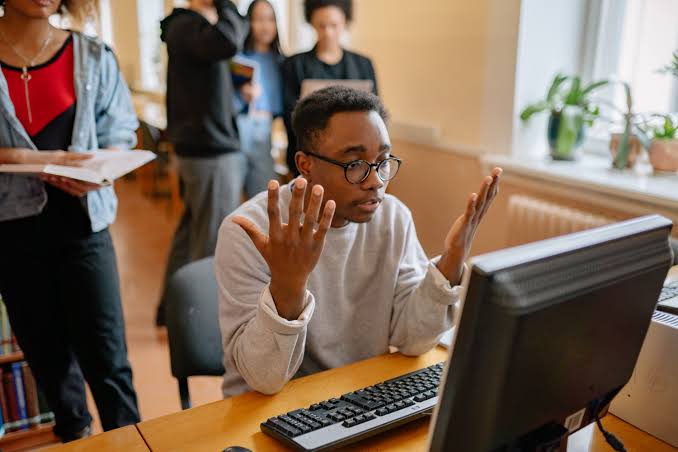
A teacher does not simply see an incorrect answer. A teacher can ask, Why did you arrive at that answer? A teacher can recognize when a learner needs greater challenge, more explanation, encouragement, or simply another opportunity to try.

AI may be able to respond to what a learner says, but education involves understanding the person behind the response.
IMG_202611324_125008285

Human Teachers Versus Artificial Intelligence

Therefore, the debate goes beyond merely AI versus teachers. It is about understanding what machines can do exceptionally well, what human teachers uniquely contribute, and how education should respond as artificial intelligence continues to develop.

Education, however, is not merely the accumulation of information. It is the formation of the learner.

The question for teachers should not be simply:

How can I compete with artificial intelligence?

Rather, teachers should ask:

What kind of teacher must I become in a world where artificial intelligence can provide information almost instantly?

The Classical Approach

"Education is formation, not merely information transfer."

Beyond human relationships built when the learner learns from a human teacher, an educational approach like classical education is irreplaceable by machines. Learning with the classical approach involves socratic thinking which develops reasoning rather than mere results, modelling and imitation both which require careful observation, teaching by going from known real life experiences to the unknown, and socialization and communication skills.

Teachers in this generation and the ones to come are required to go beyond rote memorization and seek to imbibe reasoning. Rather than teach the subject, they have to learn to form the learning habits of the learner. Learning is not about reaching the finish line, it is a process.

The more teaching becomes: Here is the information. Memorize it, the easier it is for Artificial intelligence to replace.

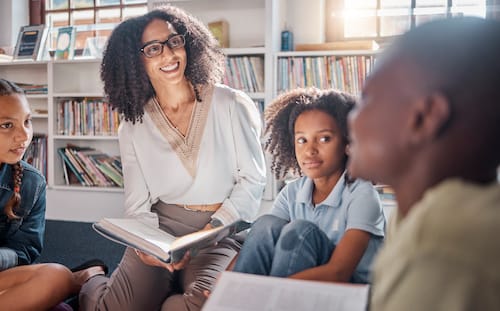
Meanwhile if teaching is: observe carefully. Think. Explain. Question. Compare. Defend your answer. Practice. Improve. Become a person who can reason well, then, the human teacher remains valuable.

"Become a person who can reason well"
IMG_202611324_125708293

©2026 Sylvia Onyekachukwu Ohiaeri | talkafricang.com

Filed under: technology

Share this article

Keep Reading

More stories you might find interesting

Dr. Chinasa T. Okolo: The Nigerian-American Scientist Making Sure Africa Is Not Left Out Of AI
news

Dr. Chinasa T. Okolo: The Nigerian-American Scientist Making Sure Africa Is Not Left Out Of AI

Dr. Chinasa T. Okolo, a Nigerian-American computer scientist, was named to the 2024 TIME100 AI list of the world's most influential people in artificial intelligence. A Cornell PhD and founder of Technēculturǎ, she advises governments and institutions on AI governance and safety, pushing for African and Global South communities to have a real voice in how this technology is built.

Dangote's $2.5 Billion Namibia Investment Could Strengthen Africa's Energy Independence
news

Dangote's $2.5 Billion Namibia Investment Could Strengthen Africa's Energy Independence

Aliko Dangote's $2.5 billion investment in Namibia's petroleum infrastructure could strengthen the country's energy security, create jobs and position Walvis Bay as a regional fuel distribution hub. With plans for a major storage facility and a proposed pipeline network connecting neighbouring countries, the project could also improve regional trade and deepen economic cooperation across Africa.

Busha Introduces NGNb, a Naira-Backed Stablecoin to Expand Access to Financial Markets
news

Busha Introduces NGNb, a Naira-Backed Stablecoin to Expand Access to Financial Markets

Busha is developing NGNb, a Naira-backed stablecoin designed to simplify digital transactions and expand access to Nigeria’s financial markets. The initiative aims to support digital payments, enable the settlement of tokenised assets such as Treasury bills and equities, and create new opportunities for businesses and investors. If widely adopted, NGNb could strengthen Nigeria’s digital financial ecosystem by connecting the Naira to emerging blockchain-based services.

Comments (0)

Leave a Comment

0/1000
Loading comments...

Latest News

Fatima Bala Wins Future Awards Africa Literature Prize as Northern Nigerian Stories Find a Wider Audience

Fatima Bala Wins Future Awards Africa Literature Prize as Northern Nigerian Stories Find a Wider Audience

Do you know Fatima Bala? Northern Nigeria is finding new expression through contemporary fiction, and Fatima Bala is steadily becoming one of the voices carrying its stories beyond familiar boundaries. The Kaduna-born writer, poet and lecturer has won the 2026 Future Awards Africa Prize for Literature, placing her among a growing generation of Nigerian writers receiving recognition for their contributions to contemporary literature. She emerged ahead of fellow shortlisted writers Damilare Kuku, Eloghosa Osunde and Peter Okonkwo at the 20th edition of the awards, held on November 14 in Lagos. While the award is a significant milestone, Bala's recognition is also a reflection of the literary world she has been steadily building through stories that explore love, faith, family, culture and the complicated expectations that shape people's lives.

African giant of the week: Anthony Joshua,The Nigerian-Born Pride Who Conquered the World of Boxing

African giant of the week: Anthony Joshua,The Nigerian-Born Pride Who Conquered the World of Boxing

The Stories Written on African Skin

The Stories Written on African Skin

DANDRUFF: Causes, Symptoms and Treatments

DANDRUFF: Causes, Symptoms and Treatments

The Voices That Shaped Africa

The Voices That Shaped Africa

NOVEMBER 16TH: THE DAY AN AFRICAN LITERARY LEGEND WAS BORN

NOVEMBER 16TH: THE DAY AN AFRICAN LITERARY LEGEND WAS BORN

MOUNT PATTI

MOUNT PATTI

THE HUSTLE NEVER ENDS: HOW ECONOMIC REALITIES ARE RESHAPING THE DREAMS OF NIGERIAN YOUTHS

THE HUSTLE NEVER ENDS: HOW ECONOMIC REALITIES ARE RESHAPING THE DREAMS OF NIGERIAN YOUTHS

MORE THAN A HAIRSTYLE: THE CULTURAL STORY BEHIND FULANI BRAIDS

MORE THAN A HAIRSTYLE: THE CULTURAL STORY BEHIND FULANI BRAIDS

16 DAYS OF ACTIVISM 2026

16 DAYS OF ACTIVISM 2026

Can Teachers be Replaced by Artificial Intelligence?

Can Teachers be Replaced by Artificial Intelligence?

Imagine a classroom where there is no teacher standing at the front, no exercise books waiting to be marked, and no human instructor explaining a difficult concept for the third time. Instead, each learner sits before an artificial intelligence system capable of answering questions instantly, adapting lessons to individual abilities, generating exercises, and providing immediate feedback.

A while ago, the idea sounded like science fiction. Today, rapid advances in artificial intelligence are making it a serious question for the future of education.

Can teachers be replaced by artificial intelligence?

The question, however, is deeper than whether a machine can explain a lesson or mark an assignment. It requires us to consider what teaching truly is and what learners actually need from education.

What Artificial Intelligence is Already Doing

Artificial intelligence is successfully transforming the way teaching and learning take place. It can assist with lesson planning, assessment, personalized learning, feedback, and the delivery of information. It can provide learners with explanations at any time and generate activities suited to different levels of ability.

IMG_202611324_124227672

In many ways, AI can perform some of the more repetitive tasks of teaching quickly and efficiently. It can provide information, generate questions, identify patterns in a learner's performance, and offer opportunities for additional practice.

These abilities are impressive. But they also lead us to an important question:

Is providing information the same thing as teaching?

The Weak Points of Artificial Intelligence

However, UNESCO's guidance emphasizes that human interaction and collaboration between teachers and learners should remain at the heart of education. Teaching involves relationships, judgment, encouragement, discipline, mentorship, moral formation, and understanding the individual learner.

A teacher does not simply see an incorrect answer. A teacher can ask, Why did you arrive at that answer? A teacher can recognize when a learner needs greater challenge, more explanation, encouragement, or simply another opportunity to try.

AI may be able to respond to what a learner says, but education involves understanding the person behind the response.

IMG_202611324_125008285

Human Teachers Versus Artificial Intelligence

Therefore, the debate goes beyond merely AI versus teachers. It is about understanding what machines can do exceptionally well, what human teachers uniquely contribute, and how education should respond as artificial intelligence continues to develop.

Education, however, is not merely the accumulation of information. It is the formation of the learner.

The question for teachers should not be simply:

How can I compete with artificial intelligence?

Rather, teachers should ask:

What kind of teacher must I become in a world where artificial intelligence can provide information almost instantly?

The Classical Approach

"Education is formation, not merely information transfer."

Beyond human relationships built when the learner learns from a human teacher, an educational approach like classical education is irreplaceable by machines. Learning with the classical approach involves socratic thinking which develops reasoning rather than mere results, modelling and imitation both which require careful observation, teaching by going from known real life experiences to the unknown, and socialization and communication skills.

Teachers in this generation and the ones to come are required to go beyond rote memorization and seek to imbibe reasoning. Rather than teach the subject, they have to learn to form the learning habits of the learner. Learning is not about reaching the finish line, it is a process.

The more teaching becomes: Here is the information. Memorize it, the easier it is for Artificial intelligence to replace.

Meanwhile if teaching is: observe carefully. Think. Explain. Question. Compare. Defend your answer. Practice. Improve. Become a person who can reason well, then, the human teacher remains valuable.

"Become a person who can reason well"

IMG_202611324_125708293

©2026 Sylvia Onyekachukwu Ohiaeri | talkafricang.com
Filed under: technology

Share this article

Comments (0)

Leave a Comment

0/1000
Loading comments...