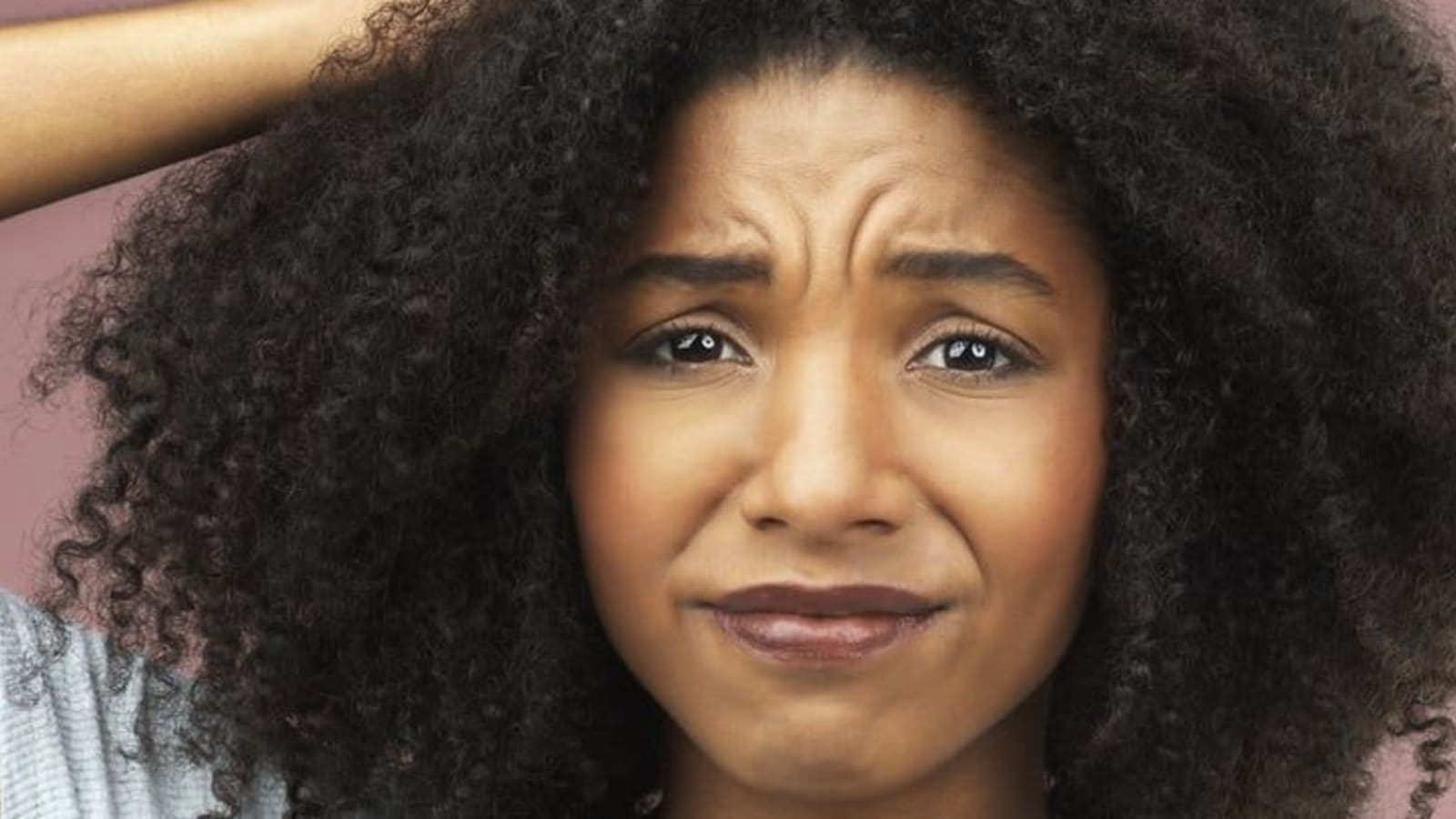
Dandruff is one of the most common scalp conditions, affecting people across different age groups. It is characterised by the shedding of dead skin cells from the scalp, often appearing as visible flakes in the hair or on the shoulders, accompanied by itching and irritation.
Although dandruff is generally harmless and not contagious, it can become uncomfortable and frustrating, especially when it persists despite regular hair care. Understanding its causes is an important step towards managing its symptoms and finding effective treatment.
WHAT CAUSES DANDRUFF?
Dandruff can develop for several reasons, ranging from naturally occurring microorganisms on the scalp to certain skin conditions and hair-care practices.
Some common causes include:
1. Malassezia (Yeast):
Malassezia is a type of yeast that naturally lives on the skin, including the scalp. It feeds on the oils (sebum) produced by the sebaceous glands. In some individuals, the scalp reacts to the yeast and its by-products, causing irritation and increased skin shedding, which results in visible flakes and itching.
2. Dry Scalp:
A dry scalp occurs when the skin loses too much moisture, resulting in tightness, itching and small, dry flakes. This can be worsened by cold weather, low humidity and harsh hair-care products.
3. Contact Dermatitis:
This occurs when the scalp becomes irritated or develops an allergic reaction after coming into contact with certain substances. Hair dyes, shampoos, conditioners, relaxers and other styling products may contain ingredients that trigger redness, itching and flaking.
4. Hair-Care Practices:
Infrequent washing may allow excess sebum, dead skin cells and product residue to accumulate on the scalp. On the other hand, excessive washing with harsh shampoos can strip the scalp of some of its natural oils, leading to dryness and irritation. Maintaining a suitable hair-washing routine is therefore important.
5. Weather and Environmental Conditions:
Changes in weather can influence scalp health. Cold, dry weather and low humidity can worsen dryness and flaking. In Nigeria, the dry and dusty conditions associated with the Harmattan season may aggravate an already dry or sensitive scalp.
6. Underlying Skin Conditions:
Certain skin conditions, such as psoriasis, eczema and seborrhoeic dermatitis, can cause or worsen scalp flaking. Psoriasis, for instance, causes skin cells to accumulate rapidly, resulting in thick patches covered with whitish scales.
WHAT ARE THE SYMPTOMS OF DANDRUFF?
The symptoms may vary depending on the underlying cause and severity. However, some common signs include:
- Visible flakes: These may appear white, greyish or yellowish in the hair or on clothing.
- Itching: The scalp may feel persistently itchy or irritated.
- Redness: Inflammation may cause the affected areas to appear red.
- Scalp dryness or oiliness: The scalp may feel unusually dry or appear greasy, depending on the underlying cause.
HOW IS DANDRUFF TREATED?
Treatment depends on the underlying cause and severity. Mild cases can often be managed with appropriate hair-care practices, while persistent cases may require medicated shampoos or medical attention.
Some treatment options include:
1. Medicated Anti-Dandruff Shampoos:
These are among the most common treatments for dandruff. They contain active ingredients that help control yeast growth, reduce flaking or remove accumulated scales.
Common ingredients to look out for include:
- Ketoconazole: An antifungal agent that helps control Malassezia yeast.
- Selenium Sulphide: Helps reduce yeast growth and excessive skin shedding.
- Zinc Pyrithione: Helps control microorganisms associated with dandruff.
- Salicylic Acid: Helps loosen and remove dead skin cells and accumulated scales.
- Coal Tar: Slows down excessive skin cell production and reduces scaling.
The choice of shampoo depends on the individual's scalp condition. It is important to follow the product instructions, as some medicated shampoos need to remain on the scalp for a few minutes before rinsing.
2. Proper Hair and Scalp Care:
Maintaining a suitable hair-care routine can help reduce the accumulation of excess oil and product residue. This includes washing the scalp regularly, rinsing hair products thoroughly and avoiding harsh products that may cause irritation.
3. Treating Underlying Skin Conditions:
When dandruff is associated with conditions such as seborrhoeic dermatitis, psoriasis or eczema, treating the underlying condition is important. A dermatologist may recommend prescription-strength shampoos, medicated scalp lotions or other topical treatments depending on the diagnosis.
4. Avoiding Irritating Hair Products:
If symptoms develop after using a particular shampoo, hair dye, relaxer or styling product, it may be necessary to discontinue its use. A healthcare professional can help identify the cause of the reaction and recommend suitable alternatives.
HOW CAN DANDRUFF BE PREVENTED?
Although dandruff cannot always be prevented, certain practices can help reduce its occurrence and prevent frequent flare-ups.
- Maintain a consistent hair-washing routine that suits your scalp and hair type.
- Avoid excessive use of styling products that may accumulate on the scalp.
- Use gentle shampoos and avoid products that cause irritation.
- Rinse shampoos and conditioners thoroughly after washing.
- Avoid scratching the scalp excessively, as this can worsen irritation.
- If you are prone to dandruff, use an appropriate anti-dandruff shampoo as directed.
WHEN SHOULD YOU SEE A DOCTOR?
Although dandruff is usually harmless, persistent or severe symptoms should not be ignored. You should consult a healthcare professional or dermatologist if:
- Dandruff persists despite using an appropriate anti-dandruff shampoo for about four weeks.
- The scalp becomes severely itchy, swollen or painful.
- There is significant redness, crusting or the development of sores.
- You notice patches of hair loss alongside scalp flaking.
- Flaky or itchy patches begin appearing on other parts of the body.
These symptoms may indicate an underlying skin condition or scalp infection that requires a different form of treatment.
Dandruff is not necessarily a result of poor personal hygiene. It can occur even in individuals who maintain good hair-care practices but with the right hair-care routine and medical attention when necessary, dandruff can be effectively managed.
©2026 Aisha Egena-Aruwa| talkafricang.com













Comments (0)
Leave a Comment