
16 DAYS OF ACTIVISM 2026
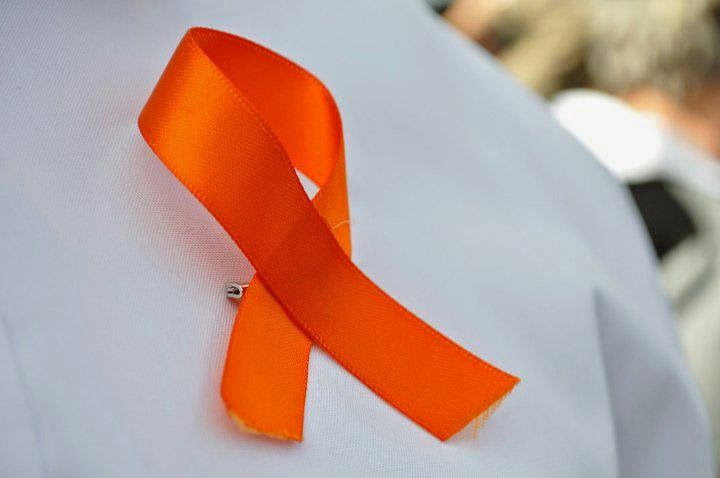
Every year, as November draws closer, countries across the world begin to turn orange. From social media posts to program planning to advocacy visits to awareness and many more. All these are done to mark 16 Days of Activism Against Gender-Based Violence, which brings together governments, civil society organizations, international institutions, schools, activists, community leaders amongst others to speak against violence. It’s that time of the year and as always, this year’s edition will take place from November 25 to December 10 and the theme is: "UNiTE to End Violence Against Women and Girls: Ensure Justice, Protect Survivors, End Impunity."
This year’s theme is not just about carrying placards or wearing branded T shirts, this year an important question is being asked, which is: What happens after a woman or girl experiences violence? Is she protected? Can she access justice? Are perpetrators held accountable?
For this year’s theme which was stated above, the first part which has to do with Ensuring Justice talks about how Justice remains one of the greatest challenges confronting survivors of gender-based violence. For many women and girls, reporting abuse is not an option because some pass-through stigma, victim-blaming, intimidation, financial barriers and many more. Ensuring justice means creating systems where survivors can safely report incidents, access legal assistance, receive fair treatment and obtain meaningful remedies.
The second part has to do with protection of survivors, protection must remain at the center of every response to gender-based violence. Survivors need protection rather than just public sympathy. And we should also know that protection also involves respecting their privacy, choices, dignity and right to decide how their experiences are handled.
The last part is for ending Impunity, Impunity occurs when perpetrators of violence escape accountability or when institutions fail to take appropriate action despite reports of abuse. Ending impunity requires more than having laws on paper, implementation matters a whole lot. We have so many laws and policies but implementation is where we are still lagging behind and government should look into this.
The summary of all these is that violence should not be excused or normalized, regardless of the perpetrator's position, influence or relationship with the survivor. The responsibility to end gender-based violence is not only for the governments or international organizations. We all have roles to play, Individuals, families, workplaces, schools, communities and the media all have roles to play. As this year’s edition comes closer you can participate by educating yourself about different forms of violence, stop victim-blaming attitude, support survivors and speak against practices that normalize abuse. This responsibility is not only for women and girls, it is important to note that men and boys can actively be involved. We should also know that this goes beyond activities, we need outcomes, progress that are measurable after this campaign ends. We need to see a world where a girl can report abuse without being asked what she was wearing, a world where perpetrators can be held accountable and a world where reported cases will be responded to. Awareness is important, but awareness alone cannot give justice. Survivors need systems that protect them, institutions that listen to them and laws that are effectively implemented.
©Esther Ojoma Sule
TalkAfricaNG.com
















Comments (0)
Leave a Comment