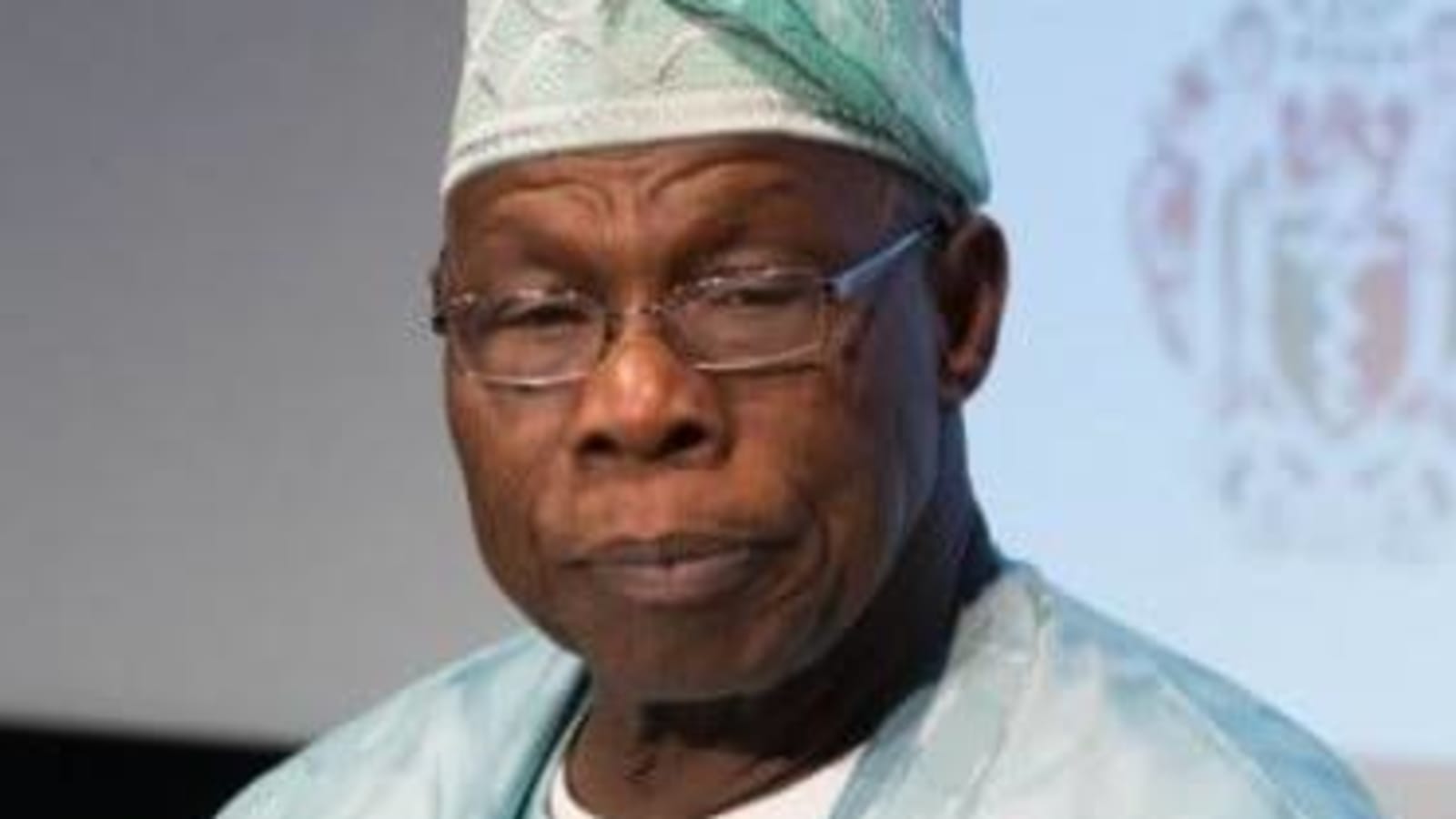
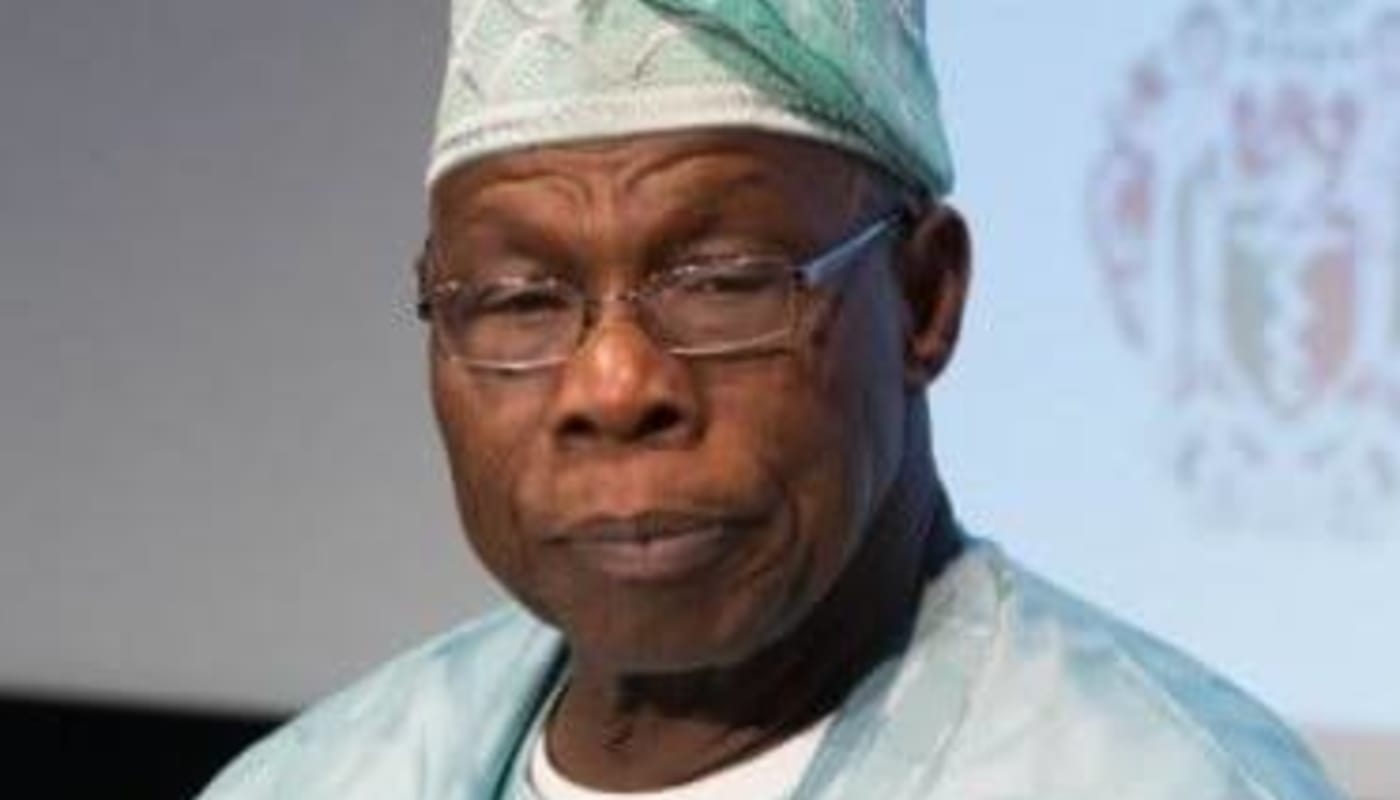
Few African leaders have occupied as many consequential positions in the continent's political history as Olusegun Obasanjo. A retired military general, former Nigerian Head of State, two-term democratically elected president and influential voice in continental diplomacy, Obasanjo's name has remained firmly embedded in conversations about Nigeria's governance and Africa's political direction for decades.
His public life spans military command, national leadership, democratic transition and international diplomacy. Across these different chapters, he has been at the centre of defining moments in Nigeria's history and has played significant roles in shaping discussions on peace, governance and development across Africa.
Born on March 5, 1937, in Ibogun, Ogun State, Nigeria, Obasanjo began his military career in 1958, joining the Nigerian Army long before his eventual emergence as one of the country's most consequential political figures. His military career eventually placed him at the centre of some of the country's defining political moments.
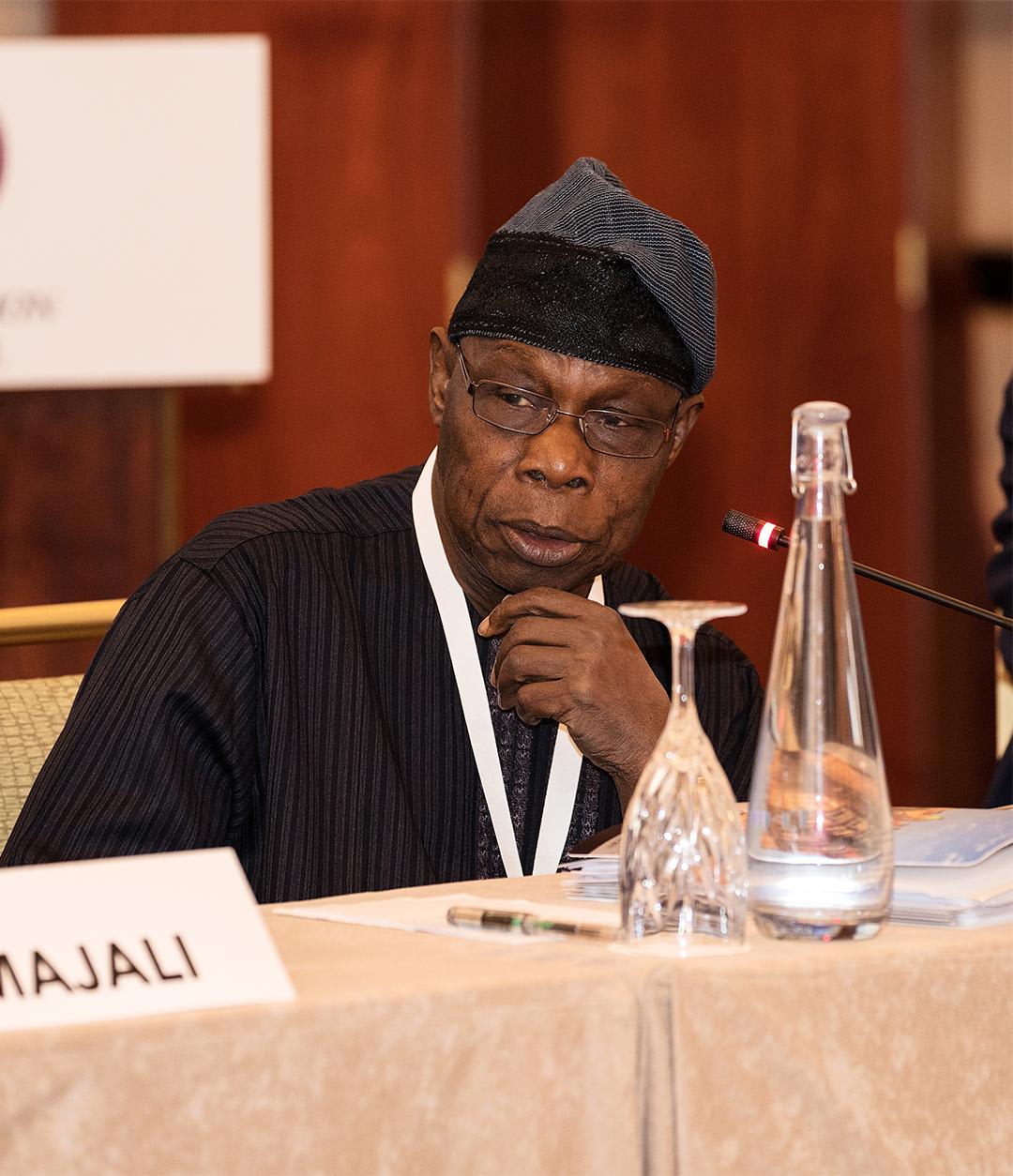
In 1976, following the assassination of General Murtala Mohammed, Obasanjo became Nigeria's military Head of State. His administration supervised the transition to civilian government, culminating in the transfer of power to an elected civilian administration led by Shehu Shagari in October 1979. He became the first Nigerian military Head of State to voluntarily hand over power to a civilian government.
However, his departure from the military did not mark the end of his political journey.
Twenty years later, following Nigeria's return to democratic rule, Obasanjo emerged as the country's elected president in 1999. He served two terms, leaving office in 2007. His administration pursued banking reforms, public-sector restructuring, anti-corruption initiatives and economic reforms, while Nigeria's external debt was significantly reduced following an internationally supported debt-relief agreement.
Beyond Nigeria, Obasanjo's influence extended into continental affairs, particularly through his involvement in the establishment and development of the New Partnership for Africa's Development (NEPAD) and the African Peer Review Mechanism (APRM). Both initiatives sought to strengthen African cooperation, encourage good governance and promote sustainable economic development.
His leadership also took him to the African Union, where he served as Chairperson from 2004 to 2006. Over the years, he has participated in diplomatic and mediation efforts involving countries such as Burundi, Mozambique, South Africa, Angola and the Democratic Republic of Congo.
His involvement in the Ethiopian peace process, which culminated in the November 2022 Pretoria Agreement between the Ethiopian federal government and the Tigray People's Liberation Front, further demonstrated his continued role in continental diplomacy.
And his engagement has not ended with his years in public office. In May 2026, the African Union Commission appointed him to support its peace and stability efforts in the Horn of Africa. He also chairs the African Union Panel of Facilitators working on the eastern Democratic Republic of Congo peace process.
Yet, Obasanjo's legacy is not without controversy. His years in government attracted criticism over human rights, governance and political decisions, particularly the unsuccessful attempt to secure constitutional changes that would have allowed him to remain president beyond 2007. His political record continues to generate debate among Nigerians and observers of African democracy.
Nevertheless, his decades of involvement in governance, diplomacy and continental development have made him a recurring figure in conversations about Africa's political direction.
At 89, Obasanjo remains engaged in issues that extend beyond Nigeria's borders, bringing decades of military, political and diplomatic experience to discussions about peace, cooperation and development.
His story is one of a leader whose influence has travelled beyond the office he once occupied, and whose place in Africa's political history continues to be exami
ned, debated and documented.









Comments (0)
Leave a Comment