MORE THAN A HAIRSTYLE: THE CULTURAL STORY BEHIND FULANI BRAIDS

MORE THAN A HAIRSTYLE: THE CULTURAL STORY BEHIND FULANI BRAIDS

There is something about the African culture that makes it stand out. African communities have

creative ways of showcasing their heritage, beliefs and individuality through clothing, food,

lifestyle, body adornment and intricately crafted hairstyles. Among these expressions are Fulani

braids, a hairstyle that reflects the beauty of African heritage and cultural identity.

The fulani braids also identified as the fula or fulbe braids, originate from the cultural tradition of

the fulani speaking people. Their communities are widely spread across central and western

Africa. They are found in areas like Burkina Faso, Nigeria and Guinea.

Aside their popularity as cattle herders, they have a standard recognition for their intricate

patterned hairstyle. Their hairstyling has served as a medium of self-expression, beauty and

social status.
IMG-20261116-WA0081

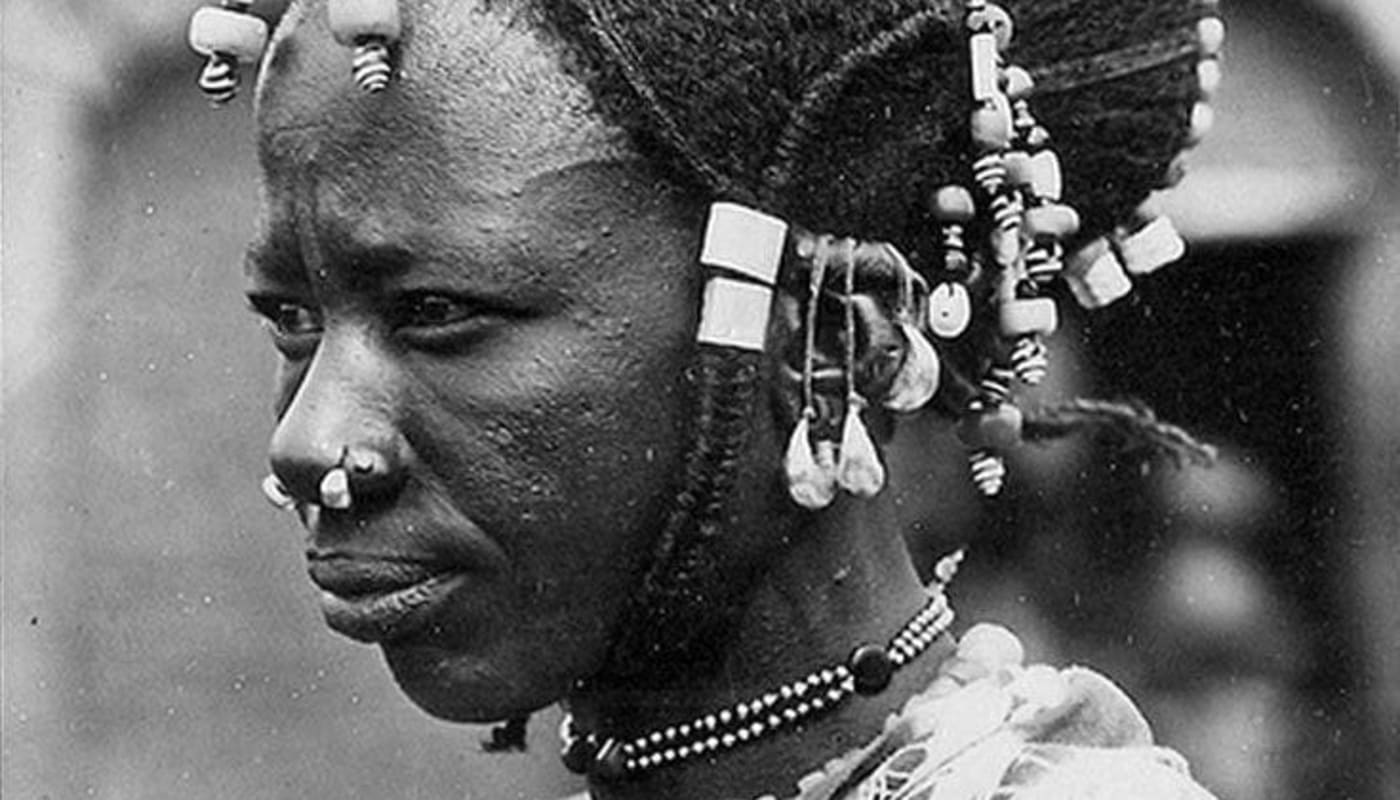
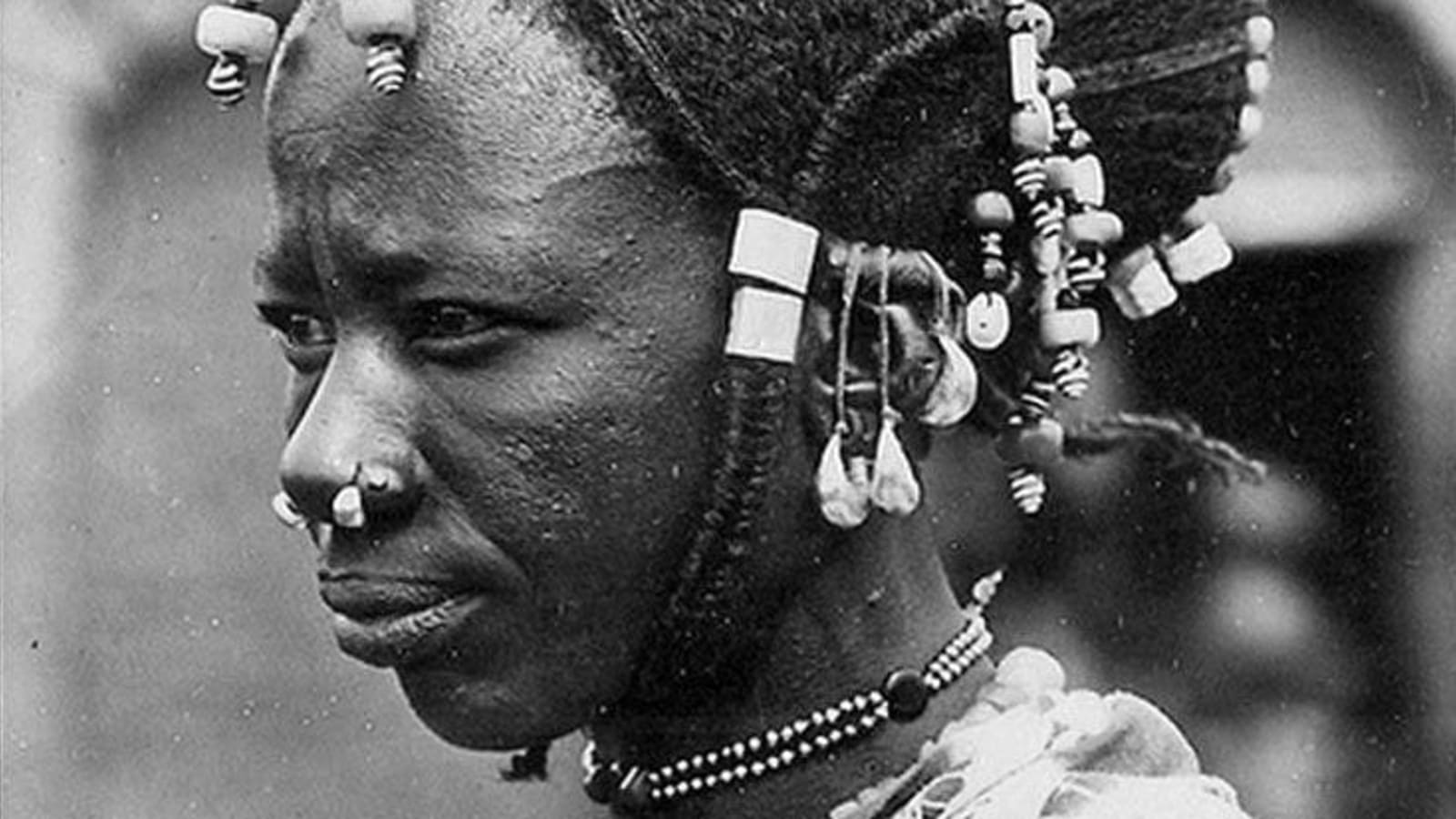
The traditional fulani women adorned their hair by incorporating gold, silver coins, amber,

cowries and beads.

Each adornment has its own significance and representation of the fulani culture. The gold

represents wealth and prestige, the silver represents adornment and social status, the cowries are historically associated with trade, wealth, and adornment— the beads on the other hand,

depict its cultural identity.

Each of these ornaments are crafted and woven intricately on the hair to showcase the cultural

and traditional identity of the fulani people. Family heirlooms are also incorporated in the

braids to showcase wealth, social status, and family background

These heirlooms are inherited from one generation to another. According to online research,

the Smithsonian documents traditional gold fulbe earrings known as kwottenai is a valuable

jewellery that could be inherited.

Beyond its cultural identity and roots, the fula braids have gained recognition widely across

other parts of the world. It has risen as a prominent hairstyle embraced by women beyond

Africa and different cultures.

In the early 2000s, Alicia Keys made it's recognition wider by wearing beaded braids which

served as an introduction into a wider audience.

In 2016, Beyonce's traditional fulani inspired in her formation music video raised sparks and

concerns about the hairstyle.

By 2017, fulani braids had become a prominent feature among black women and women from

different backgrounds, tribe, culture, and traditions.

Despites its global recognition, the fula braids still traces it's root to the fulani speaking tribe in

Africa. This shows the dominance African hairstyling has in the fashion and traditional setting.
IMG-20261116-WA0082

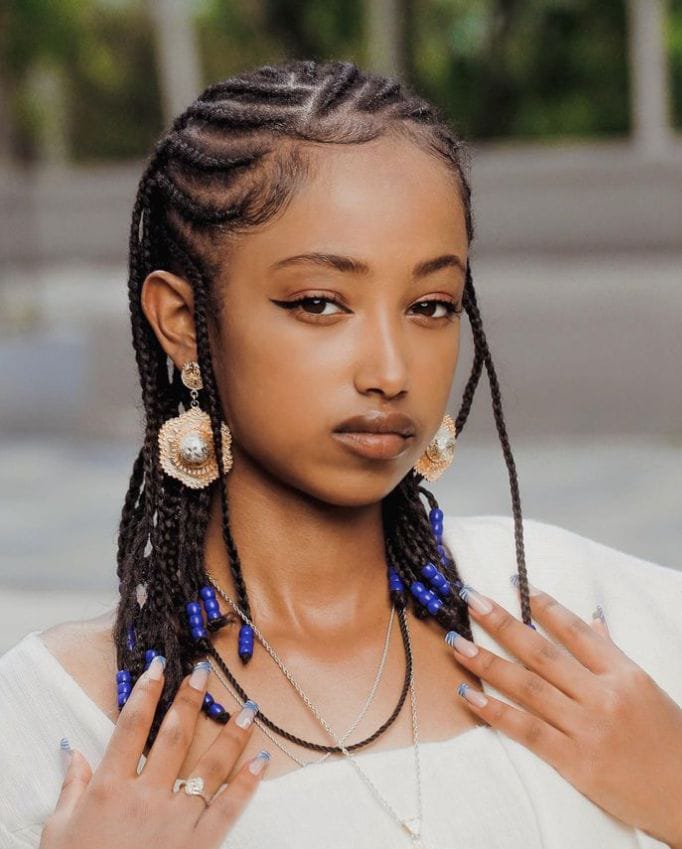
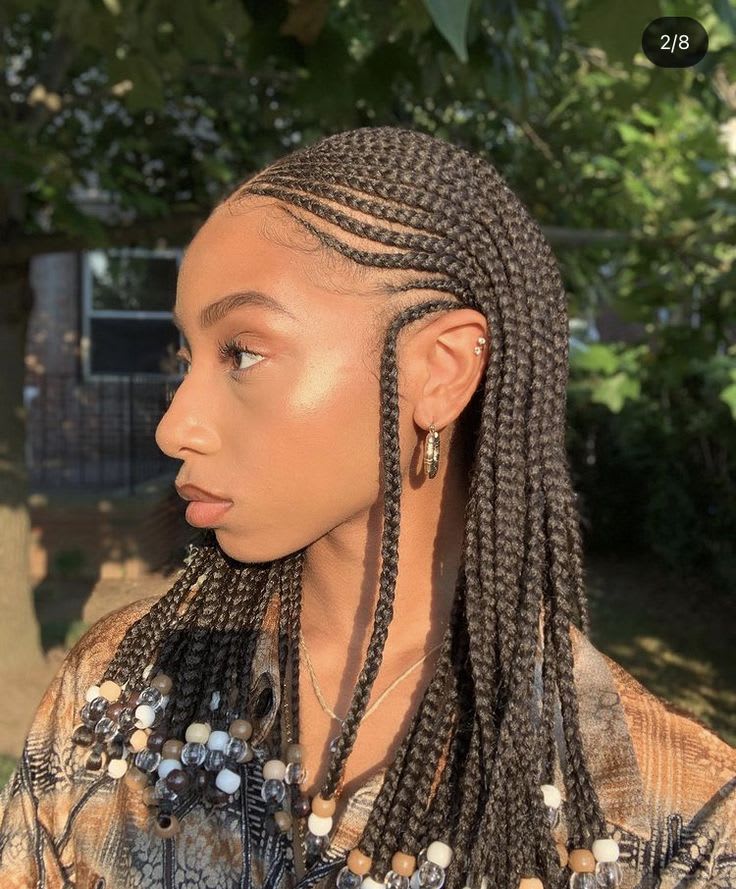
The fulani hairstyle is categorized by its combination of conrowing and braiding technique. The

hair is divided into smaller sections, neatly conrowed from the front hairline to the back of the

hair while additional sections are added to the sides--some are arranged to hang freely around

the temples or side of the head. It is then adorned with beads and other ornaments to give its

aesthetic appeal and showcase cultural identity and beauty standards.

The prominence of the fulani braids has once again showcased African culture globally. The

hairstyle is now embraced by women of different races and is now a worldwide sensation

crossing cultural, traditional, and geographical region while still retaining its root to Africa.

©2026 Dora Alikali | talkafricang.com
Share this article

Keep Reading

More stories you might find interesting

Comments (0)

Leave a Comment

0/1000
Loading comments...

Latest News

Fatima Bala Wins Future Awards Africa Literature Prize as Northern Nigerian Stories Find a Wider Audience

Fatima Bala Wins Future Awards Africa Literature Prize as Northern Nigerian Stories Find a Wider Audience

Do you know Fatima Bala? Northern Nigeria is finding new expression through contemporary fiction, and Fatima Bala is steadily becoming one of the voices carrying its stories beyond familiar boundaries. The Kaduna-born writer, poet and lecturer has won the 2026 Future Awards Africa Prize for Literature, placing her among a growing generation of Nigerian writers receiving recognition for their contributions to contemporary literature. She emerged ahead of fellow shortlisted writers Damilare Kuku, Eloghosa Osunde and Peter Okonkwo at the 20th edition of the awards, held on November 14 in Lagos. While the award is a significant milestone, Bala's recognition is also a reflection of the literary world she has been steadily building through stories that explore love, faith, family, culture and the complicated expectations that shape people's lives.

African giant of the week: Anthony Joshua,The Nigerian-Born Pride Who Conquered the World of Boxing

African giant of the week: Anthony Joshua,The Nigerian-Born Pride Who Conquered the World of Boxing

Can Teachers be Replaced by Artificial Intelligence?

Can Teachers be Replaced by Artificial Intelligence?

The Stories Written on African Skin

The Stories Written on African Skin

DANDRUFF: Causes, Symptoms and Treatments

DANDRUFF: Causes, Symptoms and Treatments

The Voices That Shaped Africa

The Voices That Shaped Africa

NOVEMBER 16TH: THE DAY AN AFRICAN LITERARY LEGEND WAS BORN

NOVEMBER 16TH: THE DAY AN AFRICAN LITERARY LEGEND WAS BORN

MOUNT PATTI

MOUNT PATTI

THE HUSTLE NEVER ENDS: HOW ECONOMIC REALITIES ARE RESHAPING THE DREAMS OF NIGERIAN YOUTHS

THE HUSTLE NEVER ENDS: HOW ECONOMIC REALITIES ARE RESHAPING THE DREAMS OF NIGERIAN YOUTHS

16 DAYS OF ACTIVISM 2026

16 DAYS OF ACTIVISM 2026

MORE THAN A HAIRSTYLE: THE CULTURAL STORY BEHIND FULANI BRAIDS

MORE THAN A HAIRSTYLE: THE CULTURAL STORY BEHIND FULANI BRAIDS

There is something about the African culture that makes it stand out. African communities have

creative ways of showcasing their heritage, beliefs and individuality through clothing, food,

lifestyle, body adornment and intricately crafted hairstyles. Among these expressions are Fulani

braids, a hairstyle that reflects the beauty of African heritage and cultural identity.

The fulani braids also identified as the fula or fulbe braids, originate from the cultural tradition of

the fulani speaking people. Their communities are widely spread across central and western

Africa. They are found in areas like Burkina Faso, Nigeria and Guinea.

Aside their popularity as cattle herders, they have a standard recognition for their intricate

patterned hairstyle. Their hairstyling has served as a medium of self-expression, beauty and

social status.

IMG-20261116-WA0081

The traditional fulani women adorned their hair by incorporating gold, silver coins, amber,

cowries and beads.

Each adornment has its own significance and representation of the fulani culture. The gold

represents wealth and prestige, the silver represents adornment and social status, the cowries are historically associated with trade, wealth, and adornment— the beads on the other hand,

depict its cultural identity.

Each of these ornaments are crafted and woven intricately on the hair to showcase the cultural

and traditional identity of the fulani people. Family heirlooms are also incorporated in the

braids to showcase wealth, social status, and family background

These heirlooms are inherited from one generation to another. According to online research,

the Smithsonian documents traditional gold fulbe earrings known as kwottenai is a valuable

jewellery that could be inherited.

Beyond its cultural identity and roots, the fula braids have gained recognition widely across

other parts of the world. It has risen as a prominent hairstyle embraced by women beyond

Africa and different cultures.

In the early 2000s, Alicia Keys made it's recognition wider by wearing beaded braids which

served as an introduction into a wider audience.

In 2016, Beyonce's traditional fulani inspired in her formation music video raised sparks and

concerns about the hairstyle.

By 2017, fulani braids had become a prominent feature among black women and women from

different backgrounds, tribe, culture, and traditions.

Despites its global recognition, the fula braids still traces it's root to the fulani speaking tribe in

Africa. This shows the dominance African hairstyling has in the fashion and traditional setting.

IMG-20261116-WA0082

The fulani hairstyle is categorized by its combination of conrowing and braiding technique. The

hair is divided into smaller sections, neatly conrowed from the front hairline to the back of the

hair while additional sections are added to the sides--some are arranged to hang freely around

the temples or side of the head. It is then adorned with beads and other ornaments to give its

aesthetic appeal and showcase cultural identity and beauty standards.

The prominence of the fulani braids has once again showcased African culture globally. The

hairstyle is now embraced by women of different races and is now a worldwide sensation

crossing cultural, traditional, and geographical region while still retaining its root to Africa.

©2026 Dora Alikali | talkafricang.com
Share this article

Comments (0)

Leave a Comment

0/1000
Loading comments...