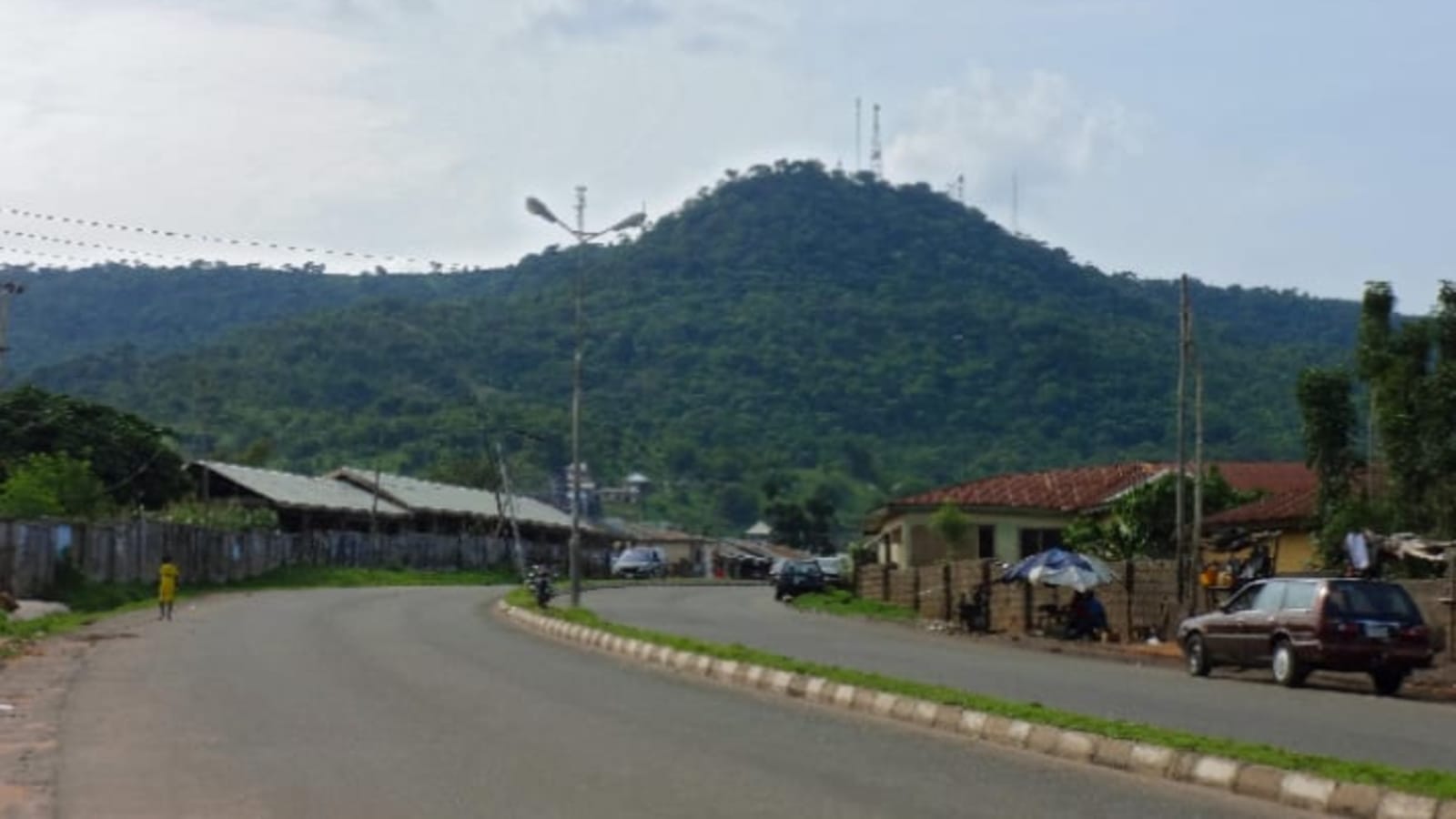
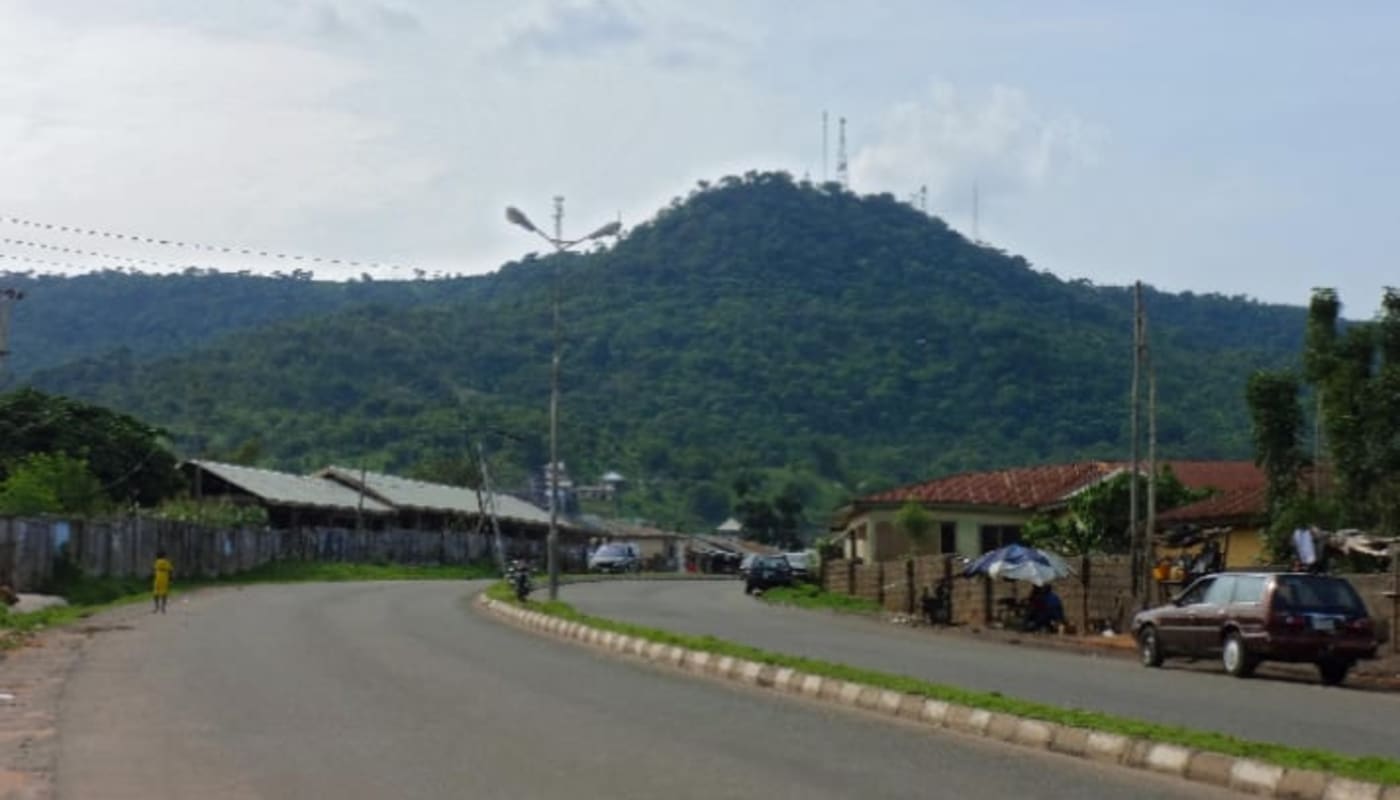
Some places hold more history than their size suggests. Mount Patti, a wooded hill beside the town of Lokoja in Kogi State, is one of them. Its slopes sheltered the first settlers, its summit carries a colonial rest house, and a popular story says that the name of an entire country was chosen there. At its foot, the Niger and the Benue, the two largest rivers in West Africa, come together. From the top, the two rivers look like a great letter Y stretched across the land.
The name is old. The Kogi State Ministry of Culture and Tourism says "Patti" is a Nupe word for mountain. The hill was home before it was a landmark. The earliest settlers of Lokoja are believed to have been Nupe groups who lived on Mount Patti. Hills gave protection in unsafe times, and the people who first climbed it were looking for safety long before anyone thought of tourism.
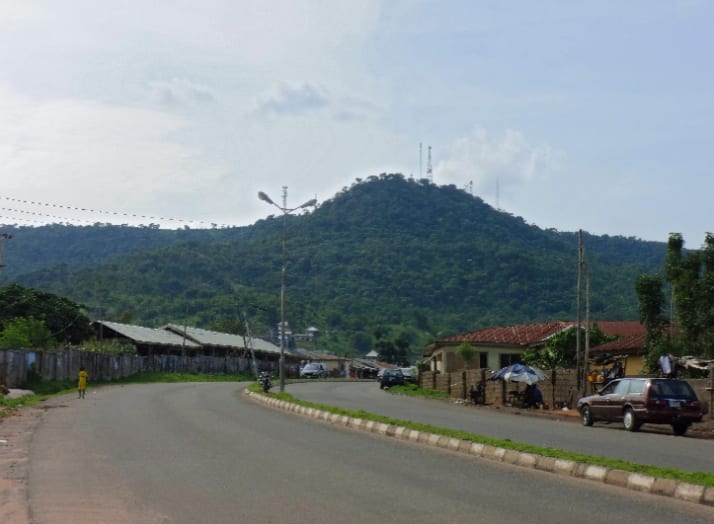
Its height is described in different ways. One newspaper report gives an average of about 458 metres above sea level.
The colonial years added a second layer to its fame. At the top stands Lord Lugard's Rest House, said to have been built around 1900. The reason was practical as well as pleasant. The height is cool, and Lugard is also said to have used the vantage point to watch the activities in Lokoja and the area around it. He had a winding road built to the peak and put up a small two-room house, which people still visit. Statues of Lugard and his wife Flora stand there too, and the house still holds furniture and framed photographs from that time.
The hill also holds one of the best-known stories in Nigerian history. It is famous as the place where the British journalist Flora Shaw is said to have given Nigeria its name. Historians debate the exact spot, but the tale is told so often that for many people it has become part of the hill itself. There is a detail that makes the story feel even closer. A local guide told a newspaper that the edition of the London Times in which Shaw first wrote about her experience is still kept in a room of the rest house. Whether a visitor believes every part of the tale or not, standing in that small room, with the old paper somewhere nearby, makes it hard to stay unmoved.
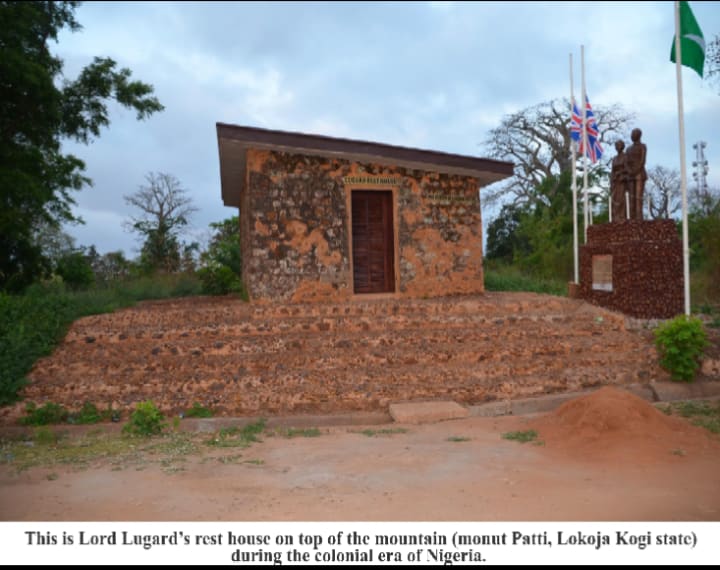
Modern life has reached the summit as well. The height makes it a good place for the masts of telecom companies and for radio and television stations. There is also arable land on the mountain that farmers use. A hill that served as a shelter, a lookout and a holiday house now carries signals, crops and pilgrims all at once.
What the hill lacks is care. A report on the site described the rest house as overtaken by grass, and visitors and writers have long complained that a place so rich in history deserves better roads, signs and protection. The Kogi State government has said it intends to revitalise Mount Patti to draw more tourists. Whether that promise becomes a well-kept site is something local people will keep watching.
For those who live in Lokoja, Mount Patti is more than a tourist spot. It is a witness to the settlers who first sheltered on it, the colonial officials who ruled from it, and the ordinary families who now live in its shade. A place with that much memory is worth looking after.
©2026 Precious Ajayi | talkafricang.com












Comments (0)
Leave a Comment