African History

Discover the latest stories and insights from african history across Africa

60 Articles

Featured Stories

A Leaf That Doesn't Know What Tree It's From
Featured
July 7, 2026 • 84 views

A Leaf That Doesn't Know What Tree It's From

Nigeria is one of the African nations quietly losing its culture, and history is the first casualty. There is a saying that not knowing your history is like a leaf that doesn't know what tree it came from. That leaf can still exist for a while, but it has no idea what fed it, what shaped it, or what it is connected to. That is where a growing number of us find ourselves today. Our history is being erased, not by one single event, but by neglect. The clearest reason is simple: no one is telling it anymore

Communal Child-Rearing in Traditional African Societies
Featured
July 7, 2026 • 85 views

Communal Child-Rearing in Traditional African Societies

"What happens when children know their passwords better than their neighbors?" This thought-provoking article explores Africa's age-old tradition of communal child-rearing, where entire communities shared the responsibility of raising every child. Drawing from Yoruba, Igbo, and Kikuyu cultures, it examines the beauty, challenges, and enduring wisdom of this system while contrasting it with today's increasingly isolated parenting. This article is a compelling reflection on Ubuntu, belonging, and the future of African values in a rapidly changing world.

THE BABBAN RIGA
Featured
July 3, 2026 • 2.9K views

THE BABBAN RIGA

The origin of the Babban Riga stretches back centuries, to a time when Hausa city-states such as Kano, Katsina, and Zaria were major centers of learning and commerce. Through trans-Saharan trade routes, Northern Nigeria became connected to North Africa and the wider Islamic world. Thus, with the need for attires that reflected status and moral authority by scholars, rulers, and traders, the Babban Riga was provided as a solution to their problem. This was through the inspiration of Sahelian and Islamic styles.

By ThePeculiarEsther Read More →

Latest African History

Sort by:
Ogunde Living Museum: Nigeria’s Living Cultural Heritage
historical-sites
• 250 views

Ogunde Living Museum: Nigeria’s Living Cultural Heritage

The Ogunde Living History Museum in Ososa, Ogun State preserves the life and legacy of Chief Dr. Hubert Adedeji Ogunde, Nigeria’s theatre pioneer. It’s a living cultural shrine filled with his personal spaces and artistic treasures — from costumes and instruments to early film relics. More than a museum, it is a heartbeat of Yoruba artistic identity.

By Ikeun Divine Michael Read More →
GLOVER MEMORIAL HALL
historical-sites
• 354 views

GLOVER MEMORIAL HALL

Glover Memorial Hall is one of Lagos’ oldest civic buildings, built in 1887 to honour Governor John Hawley Glover. Over time, the Victorian-style hall evolved from a colonial memorial into a cultural and intellectual centre where theatre, music, and political discussions flourished, quietly shaping Lagos’ early artistic life and nationalist consciousness.

By Ikeun Divine Michael Read More →
COCOA HOUSE: A Timeless Symbol of Nigeria’s Economic Vision in the Heart of Ibadan
historical-sites
• 398 views

COCOA HOUSE: A Timeless Symbol of Nigeria’s Economic Vision in the Heart of Ibadan

Rising above Dugbe in Ibadan, Cocoa House is West Africa’s first skyscraper, built in 1965 from cocoa revenue under Obafemi Awolowo’s leadership. Once the headquarters of the Western Nigeria Marketing Board, it symbolizes agricultural wealth, visionary governance, and regional pride. Cocoa House stands today as a bold reminder that Nigeria once built greatness from the soil.

By Ikeun Divine Michael Read More →
FGM in Africa: A Grievous Crime Against Womanhood
culture
• 236 views

FGM in Africa: A Grievous Crime Against Womanhood

Although many African governments have criminalized FGM, enforcement remains uneven. In some areas, the practice continues quietly, protected by silence and tradition. This reality underscores a critical truth: laws alone are not enough without sustained community engagement and social change. The way forward in Africa lies in education, open dialogue, and empowerment. Communities must be equipped with accurate information about the medical and human consequences of FGM. Girls must be supported through education and economic opportunities, reducing their vulnerability to harmful practices. Traditional and religious leaders play a crucial role in challenging long-held misconceptions, while governments must strengthen enforcement and provide support systems for survivors. Ending FGM is not an attack on African culture; it is a defense of African girls and women. Every girl deserves to grow into womanhood whole, with her body and dignity intact.

By Victoria Abiodun Read More →
The Impact of Kobafest in Kogi State: Celebrating Culture,
culture
• 854 views

The Impact of Kobafest in Kogi State: Celebrating Culture,

In recent years, Kobafest (Kogi Book and Art Festival) has emerged as one of Kogi State’s most promising cultural initiatives a festival that celebrates literature, arts, tradition, and creative expression. Organized by the Awareness Literary Society, Kobafest is more than just a cultural gathering: it has become a platform for empowerment, cultural pride, and socio-economic stimulation in the state.

By John Fagbemi Read More →
HOUSE OF DEFIANCE: Mary Slessors Sacred Shelter in Calabar
historical-sites
• 476 views

HOUSE OF DEFIANCE: Mary Slessors Sacred Shelter in Calabar

Mary Slessor’s Sacred Shelter in Calabar is more than a building, it is a moral landmark. From its quiet rooms, a fearless woman challenged brutal customs, defended twins, and reshaped community life. The house endures as proof that courage can live humbly, and that compassion, once rooted, outlives its messenger.

By Ikeun Divine Michael Read More →
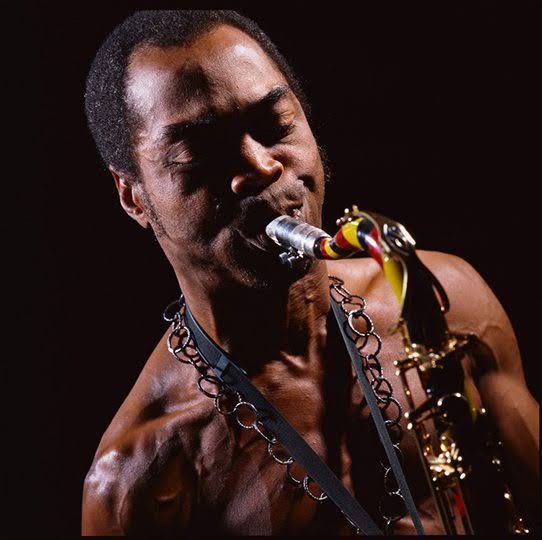
Fela Kuti and Music Under Military Rule How Fela Kuti Used Music to Speak in a Time of Silence
african-history
• 202 views

Fela Kuti and Music Under Military Rule How Fela Kuti Used Music to Speak in a Time of Silence

In the 1970s and 1980s, Nigeria was under military rule, like many other African countries at the time. The government kept a close watch on public speech. Newspapers were monitored, protests were restricted, and criticism of those in power often led to arrest. It was during this period that Fela Anikulapo Kuti became widely known. Fela was born in 1938 in Abeokuta, western Nigeria. He came from a politically active family. His mother, Funmilayo Ransome-Kuti, was a well-known activist, while his father was a school principal. Fela studied music in London and later returned to Nigeria, where he developed Afrobeat, a style that combined jazz, highlife, funk, and traditional African rhythms and his songs talked about what many people were already experiencing but could not say openly.

By John Fagbemi Read More →
Assin Manso: The River That Carried Chains and Memories.
historical-sites
• 176 views

Assin Manso: The River That Carried Chains and Memories.

Assin Manso Slave River in Ghana marks a haunting chapter of the transatlantic slave trade. Once a collection point for enslaved Africans, the river bore witness to family separations and unimaginable suffering. Today, it serves as a place of remembrance, reflection, and spiritual connection, preserving the stories of resilience, ancestral prayers, and the enduring spirit of those who endured its waters.

By Ikeun Divine Michael Read More →
The Brazilian Baracoon in Badagry: Seriki Williams Abass and Nigeria’s Slave Trade.
african-history
• 127 views

The Brazilian Baracoon in Badagry: Seriki Williams Abass and Nigeria’s Slave Trade.

The Brazilian Baracoon in Badagry is one of the most important surviving sites connected to the transatlantic slave trade in Nigeria. This painful history involves Seriki Williams Abass. Before he became powerful, Seriki Williams Abass was once powerless. He was not born rich or influential. His original name was Ifaremilekun Fagbemi, a Yoruba boy born in Joga-Orile, a town in Ilaro, Ogun State, what is now south-western Nigeria. As a youth, he was captured during wars between African communities. At the time, this was common, as stronger groups often sold captives to slave traders in exchange for goods and weapons

By John Fagbemi Read More →
Mambila Hills: Where the Sky Learns the Language of the Land
historical-sites
• 396 views

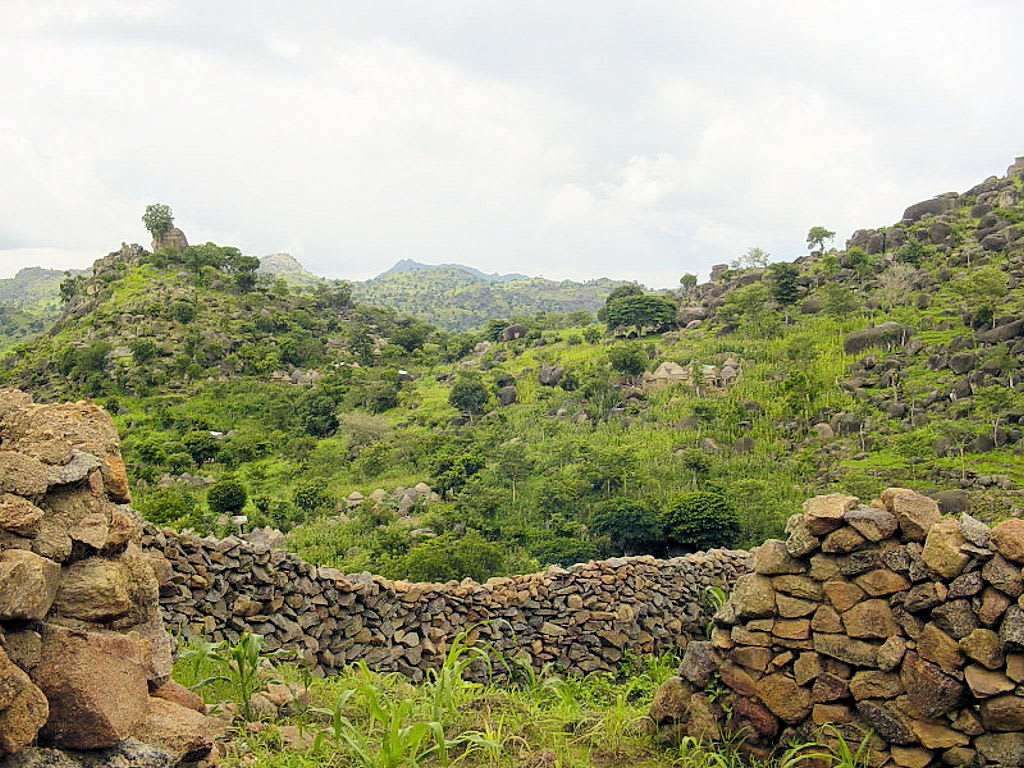
Mambila Hills: Where the Sky Learns the Language of the Land

The Mambila Hills of Taraba State rise quietly above Nigeria’s lowlands, wrapped in mist and memory. Cool, ancient, and culturally grounded, the plateau blends history, spirituality, and endurance. It is a land shaped by altitude and ancestral wisdom, where traditions remain intact, life moves deliberately, and the earth feels closer to the heavens.

By IKEUN DIVINE MICHAEL Read More →

Trending in African History